Analogue wizardry...
...and the passage of time
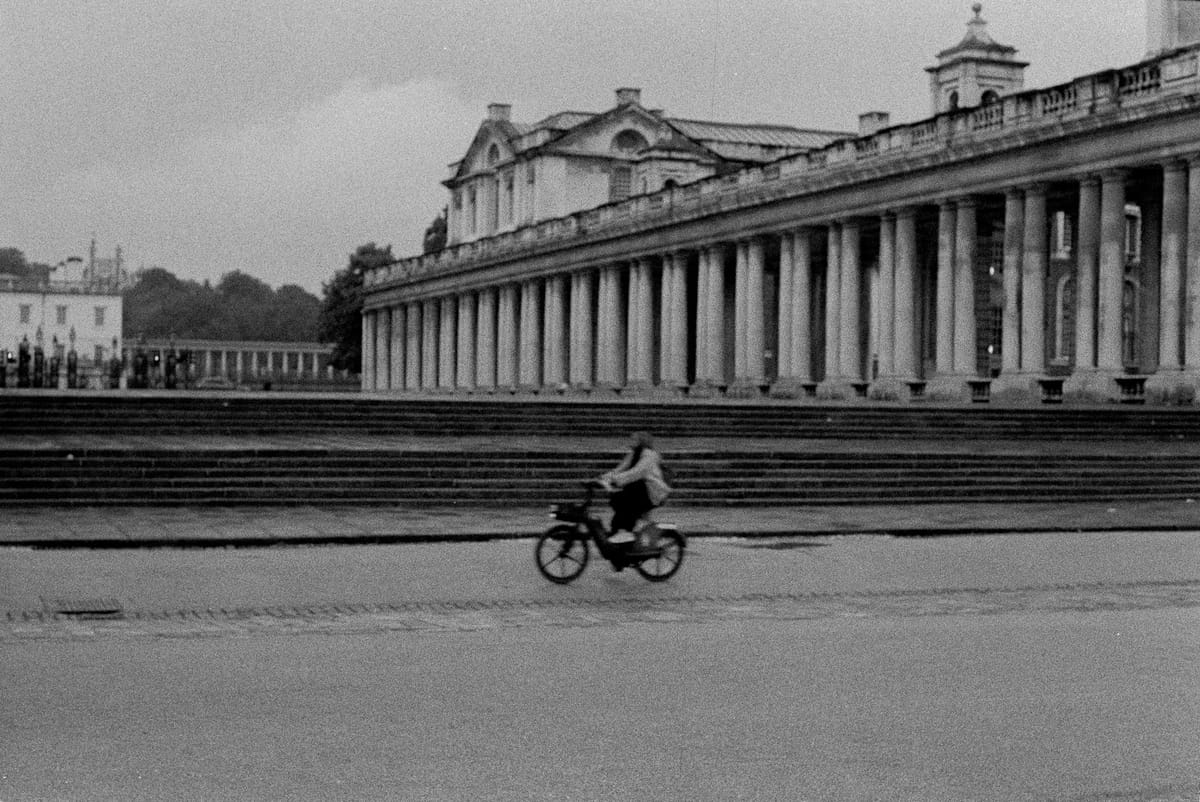
I pulled the developed film from the tank and held it up to the light - memories of my time living in Greenwich came flooding back as I saw the negatives for the first time.
There's something almost alchemical about developing your own film. In our age of instant digital gratification, the ritual feels deliberately counter-cultural: unrolling film in total darkness, securing it in a light-tight tank, then bathing it in developer, stop bath, and fixer. When you finally lift those negatives to the light, seeing your images for the first time, it still feels like magic.
The entire process - developing, scanning, adjusting - easily consumes several hours. But I've come to see this investment in time as the point, not a drawback. Each frame demands intention. Each hour spent in focused concentration becomes a form of meditation, free from the endless distractions that fragment our days.
Returning to familiar paths
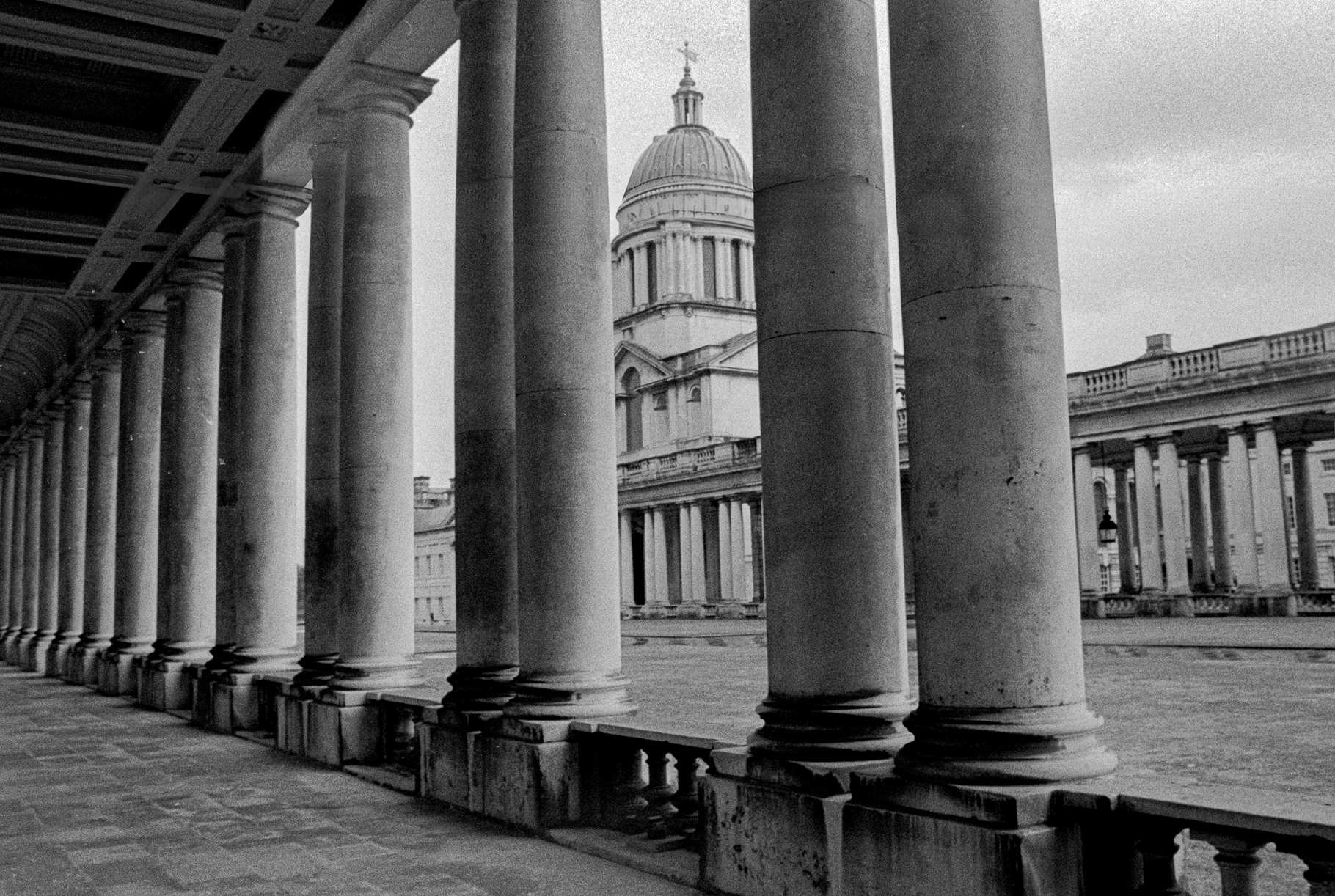
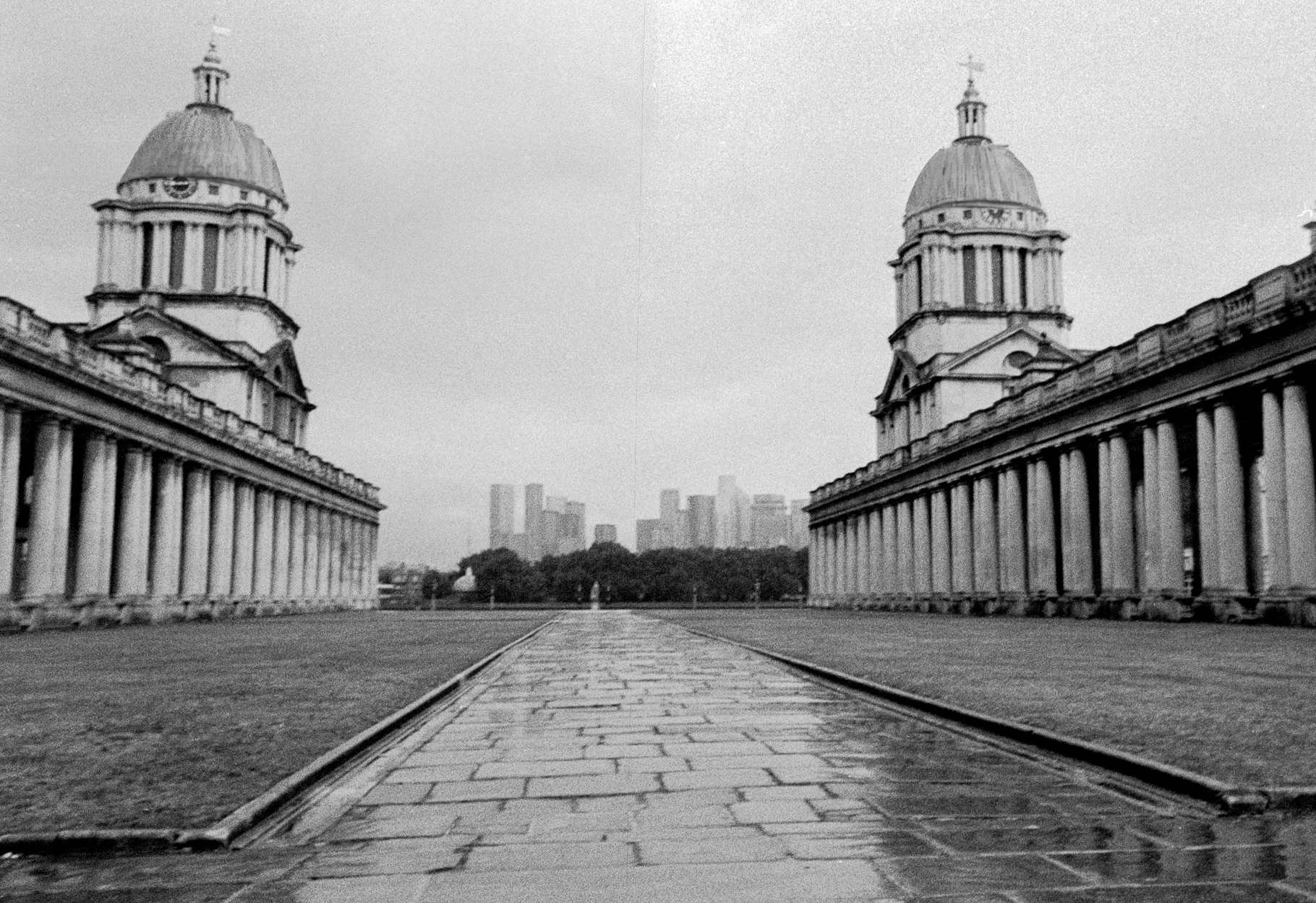
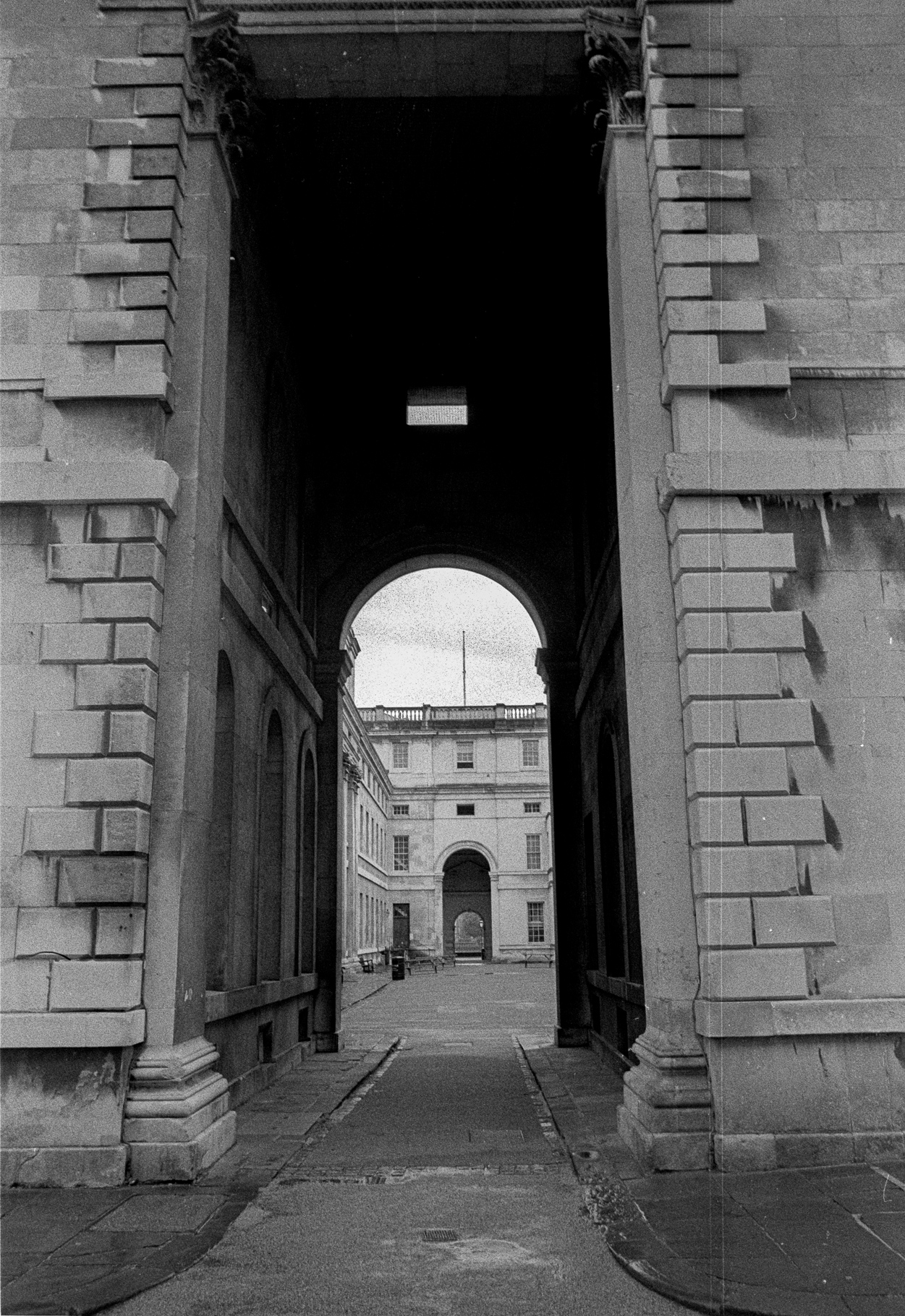
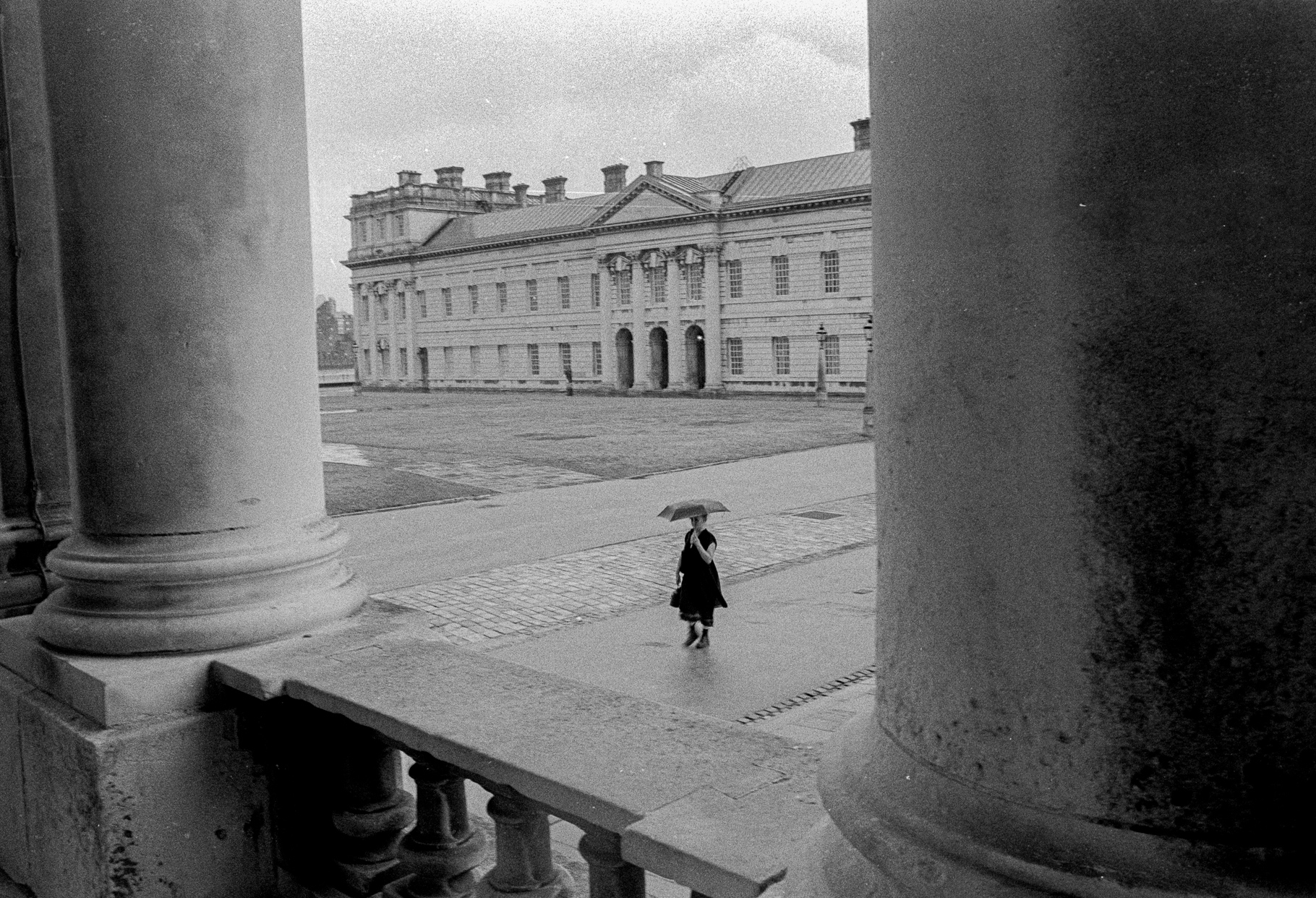
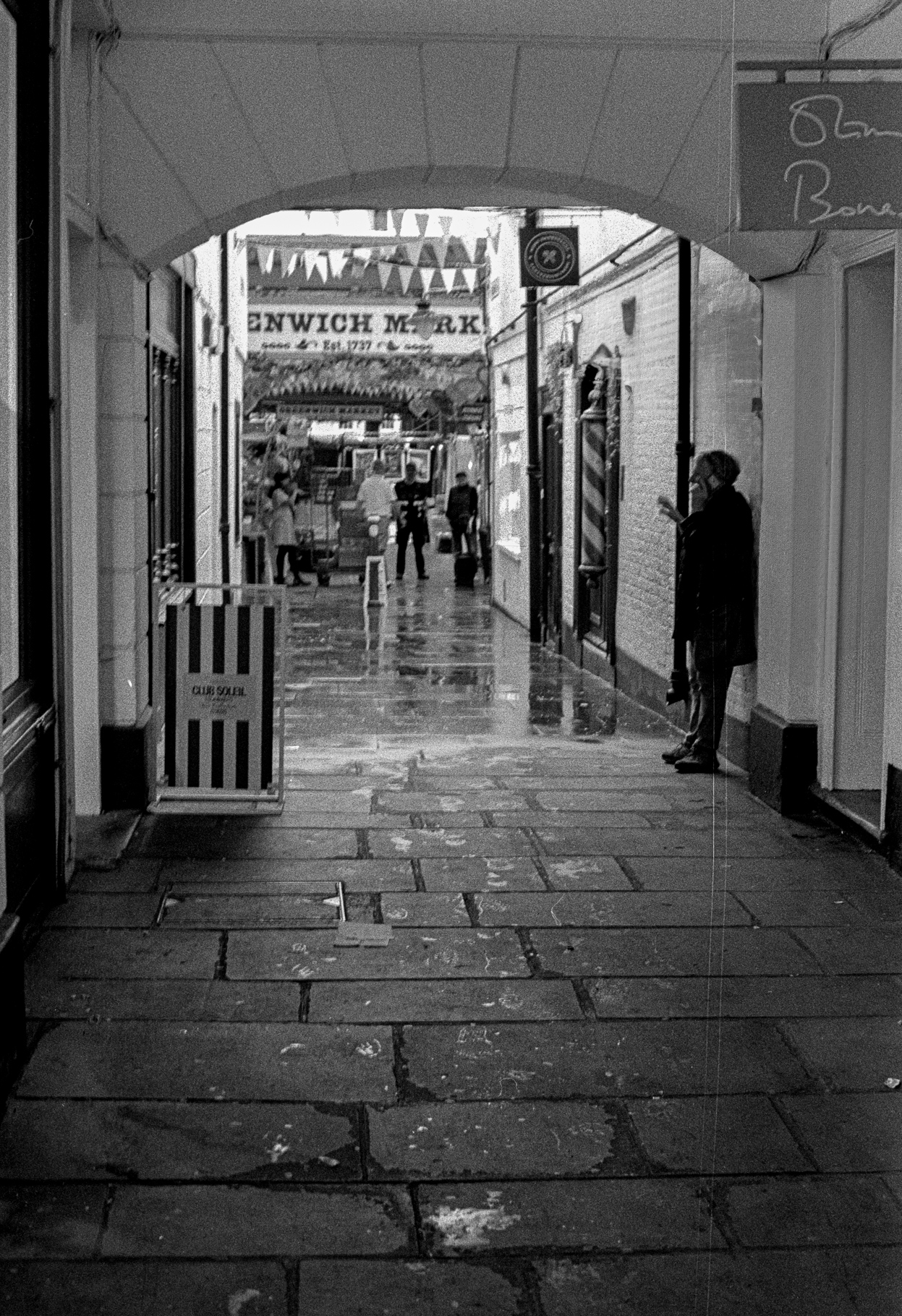
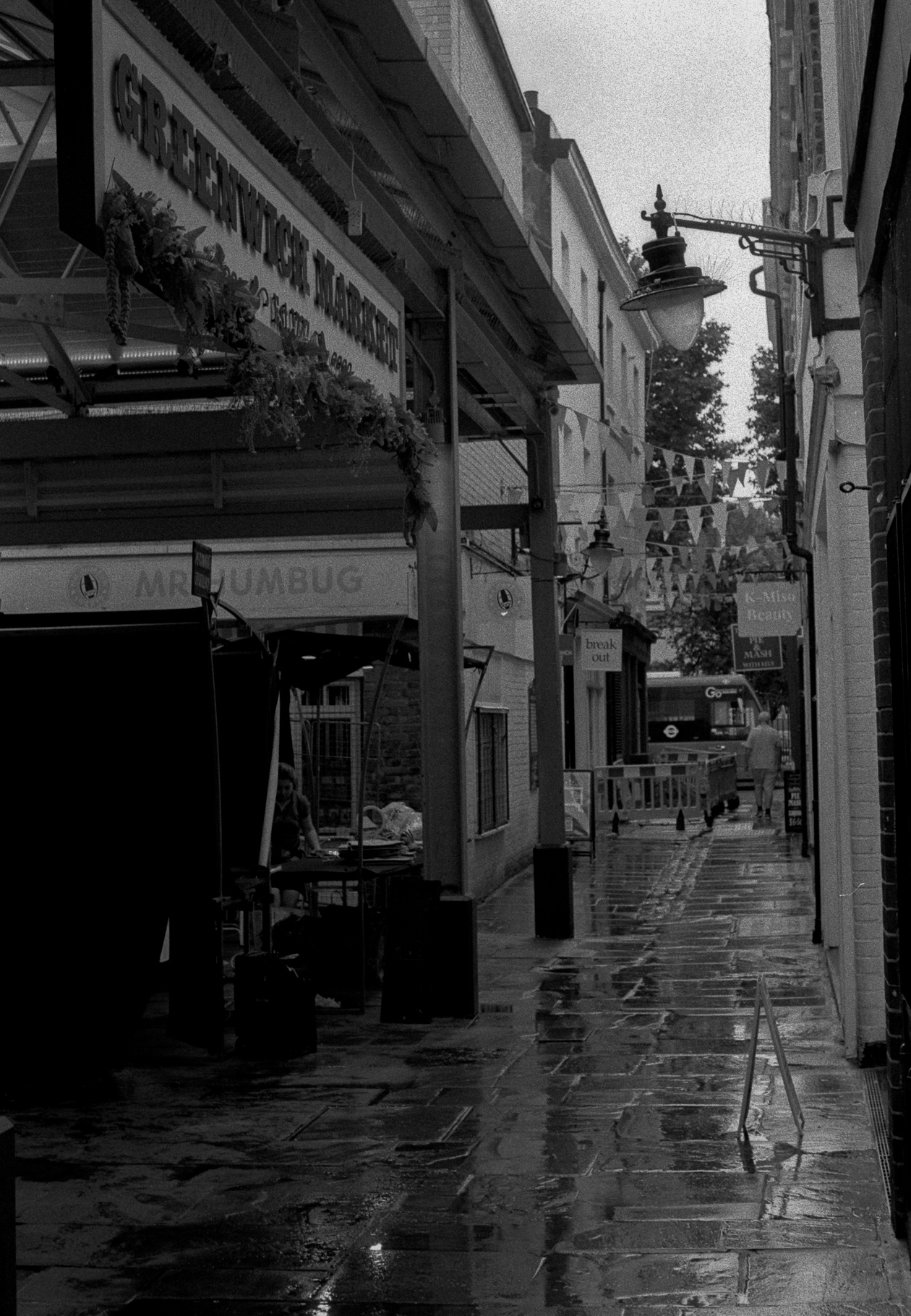
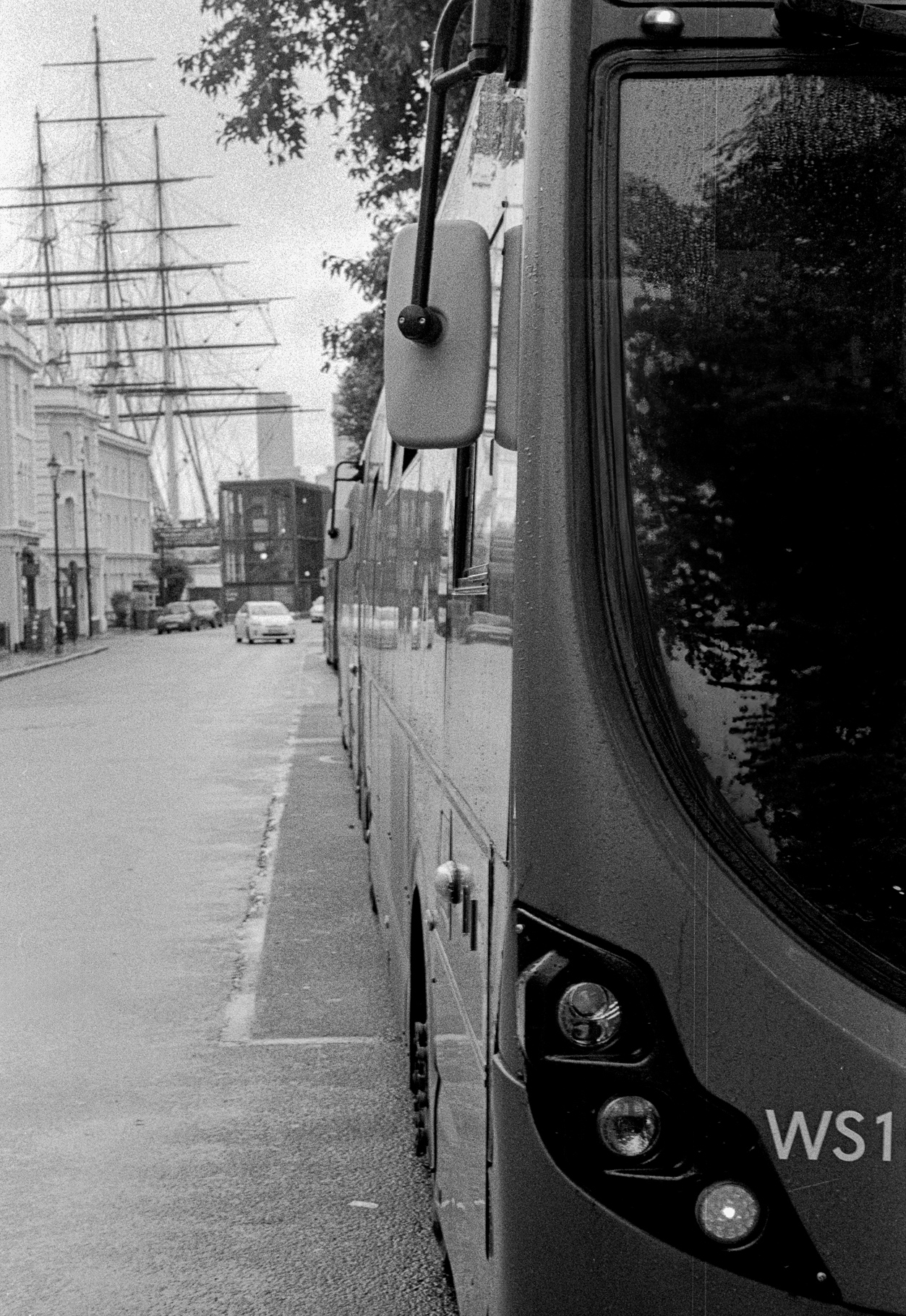
Walking through Greenwich last Sunday morning, camera in hand, I was struck by how little had changed in the eighteen years since we lived here. The same paths where I once pushed my eldest son in his buggy through the Old Naval College courtyards, the same market stalls tucked under Victorian iron and glass.
Yet everything felt different through the lens of his impending departure. In just a few weeks, that same son will leave for university in America. Eighteen years gone - just like that!
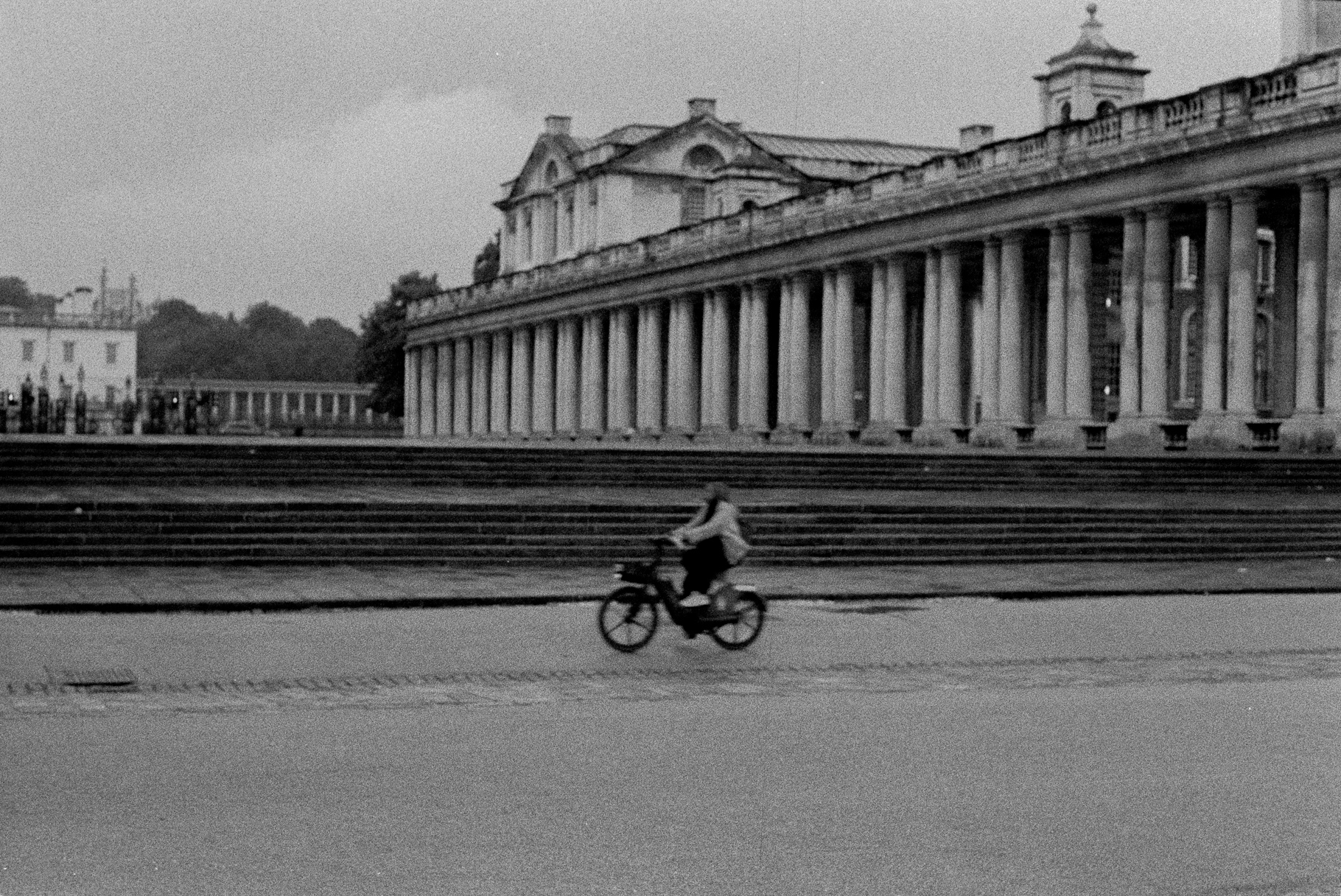
The wet morning worked in my favour - Greenwich largely empty, the usual Sunday crowds deterred by drizzle. I found myself drawn to solitary figures moving through these grand spaces: a cyclist crossing the Naval College courtyard, a woman with an umbrella navigating the cobblestones. These brief human moments against the backdrop of centuries-old architecture seemed to capture something essential about our relationship with time.
The weight of each frame
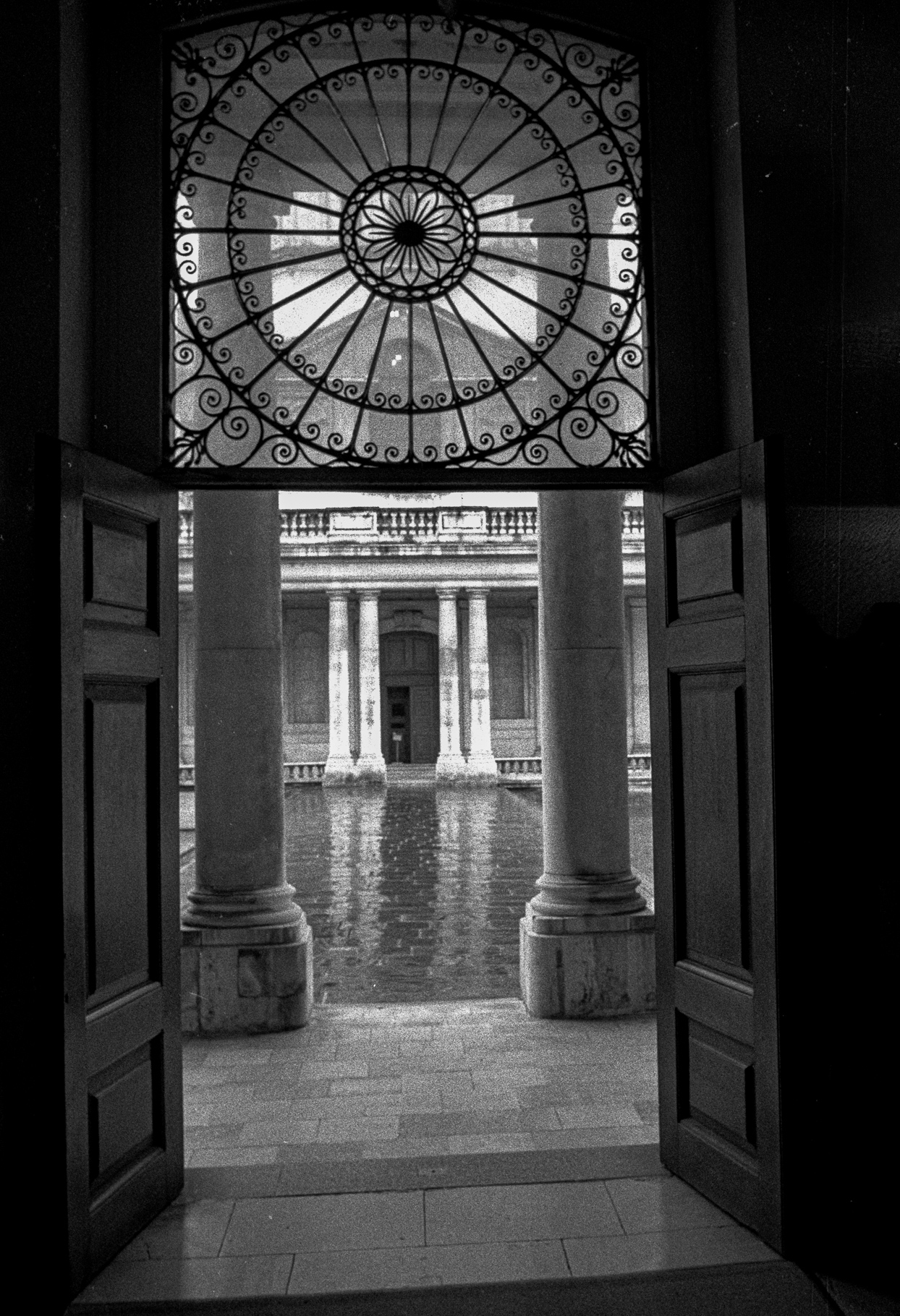
Standing in the home of the Prime Meridian - literally where time begins - I was reminded why I'd chosen film photography as my creative practice. Each exposure matters. Each composition requires genuine consideration. There's no spray-and-pray approach when every frame costs money and carries the weight of irreversibility.
This enforced slowness has become precious to me. Not just the technical process, but the mental space it creates. Walking these familiar streets with a film camera forces a different kind of attention - less reactive, more contemplative.
The irony wasn't lost on me: trying to slow down time in the place where time itself is measured and standardised. But perhaps that's exactly what we need more of - deliberate acts of presence in our accelerated world.
Making the most of what remains
I've not always used my time effectively or with clear purpose. Too many years spent reactive rather than intentional, busy rather than productive. But approaching fifty-two, with my son's departure imminent, I'm thinking more consciously about how I spend my days.
Film photography has become part of this recalibration. The hours spent in development and scanning aren't lost time - they're reclaimed time. Focused, present, creative time that produces something tangible and lasting.
As I walked those Greenwich paths, I thought about all the Sunday mornings ahead that won't include family breakfasts or casual conversations about university choices. Time's passage feels inevitable and precious, the challenge is being intentional about how we spend it.
These photographs represent more than just a morning out with a camera. They're evidence of time consciously spent, of attention deliberately paid, of creative energy channeled into something meaningful. In our world of endless scroll and constant distraction, that feels like a small act of rebellion.
Thanks for reading Frame and Grain. If these reflections on photography, time, and intentional living resonate with you, I'd be grateful if you'd share this post or subscribe below.