Embracing failure
It’s taken me a while. I’m 51 years old but I’ve finally got to the point where I am prepared to call myself a failure.
Before anyone gets worried and sends me encouraging messages of empathy and encouragement, let me explain.
I’ve recently come to the realisation that being a better photographer is all about learning to embrace failure. In fact, it was driving home from work yesterday listening to the wonderful podcast that this message really hit home. The host was interviewing a famous professional skateboarder - Ed Templeton - who is also a photographer. Their conversation was comparing the persistence needed to master a trick on a skateboard, to the persistence needed to get better at photography. To master a skateboard trick you have to try it again, and again, and again, relentlessly. Every failure results in a fall, a bump, or a bruise. But eventually, after hundreds, if not thousands of attempts, the trick is eventually mastered and a moment of pure technical and artistic transcendence is achieved.
Fortunately us photographers don’t have the physical scars from falling off our skateboards as we practice, but we do need to get comfortable with the emotional scars of practice and failure. For every hundred or even thousand pictures taken, only a few will achieve that magic alchemy of creativity, vision, technical excellence and narrative that every photographer aspires to.
And I know this to be true in my own photography. As a film photographer predominantly, I will often go out on a photo shoot with a roll of film loaded, a spare in my camera bag, and a rough plan of what I want to photograph and how. As my shoot progresses, I’ll gradually sink into the flow of the moment, totally absorbed in what I’m doing. Before I know it the 36 frames have been filled and I have a decision to make as to whether I’m going to load another or call it a day.
And so it was that I found myself just on such a photo shoot one Sunday a few weeks ago in my local neighbourhood exploring an old quarry and cement works site. I’m increasingly coming round to the view that you don’t need to travel to exotic and different locations to spend time with a camera. In fact, there are so many opportunities for photographs close to where you live and the fact that you have probably seen those streets or those scenes a thousand times makes them even better for photography for two reasons. Firstly, you know the scenes and if you spend enough time observing what’s going on around you, you can begin to anticipate and see where those photo opportunities might be. Secondly, photographing the familiar forces you to think harder about the picture you are taking, challenging your creativity as a photographer.
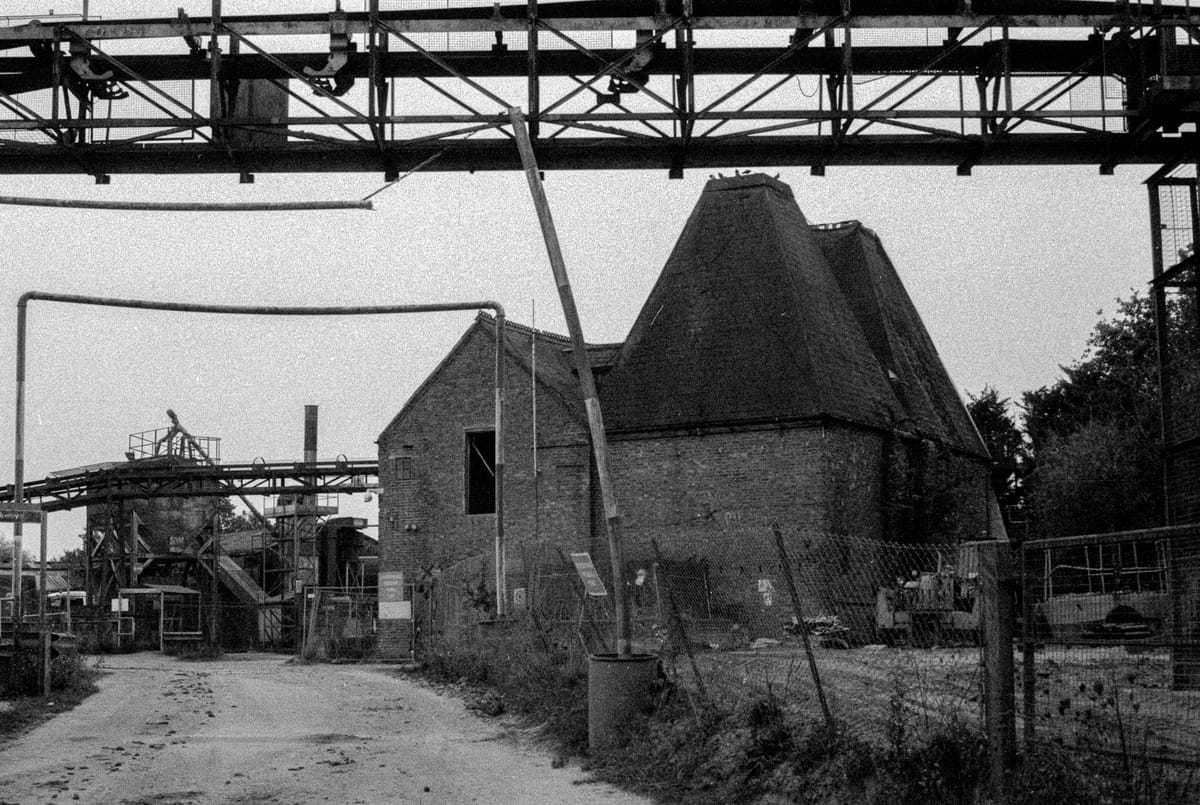
I’ve driven past these cement works and sand quarry countless numbers of times, but I’d never actually got out of the car with a camera in hand to explore them (there’s a public footpath that goes through them so I didn’t even have to contend with fences and the risk of trespassing). The reward for my curiosity was a whole smorgasbord of photographic opportunities. Old, derelict buildings - tick. Weathered and aging industrial equipment - tick. Interesting juxtapositions of new machinery and old, abandoned plant - tick. There was even an old oast house intermingled with the conveyor belts that were or are used to transport the sand from the quarry.
I almost ran around like a kid in a sweetshop, high with the promise of photographic possibility. Two rolls of bulk loaded Formapan 400 were shot - it’s my film of choice because it’s relatively cheap when bought in bulk and I’ve been pleasantly surprised by the depth and contrast the stock provides.
I rushed home, cleared the decks of all that other stuff that inevitably fills our Sundays, and locked myself away in my makeshift dark room to develop the two rolls immediately. As the Ilford chemicals worked their magic in my Patterson mixing tank the anticipation was building. I’ve cracked it this time I thought, I must have enough bangers to really start to think about the first group of pictures that might build out a portfolio for when I get round to setting up my website. The thrill of removing the processed films from the developing reels was palpable. I squeegeed them down and hung them to dry, stealing the odd glance at some of the hanging negatives as they dried.
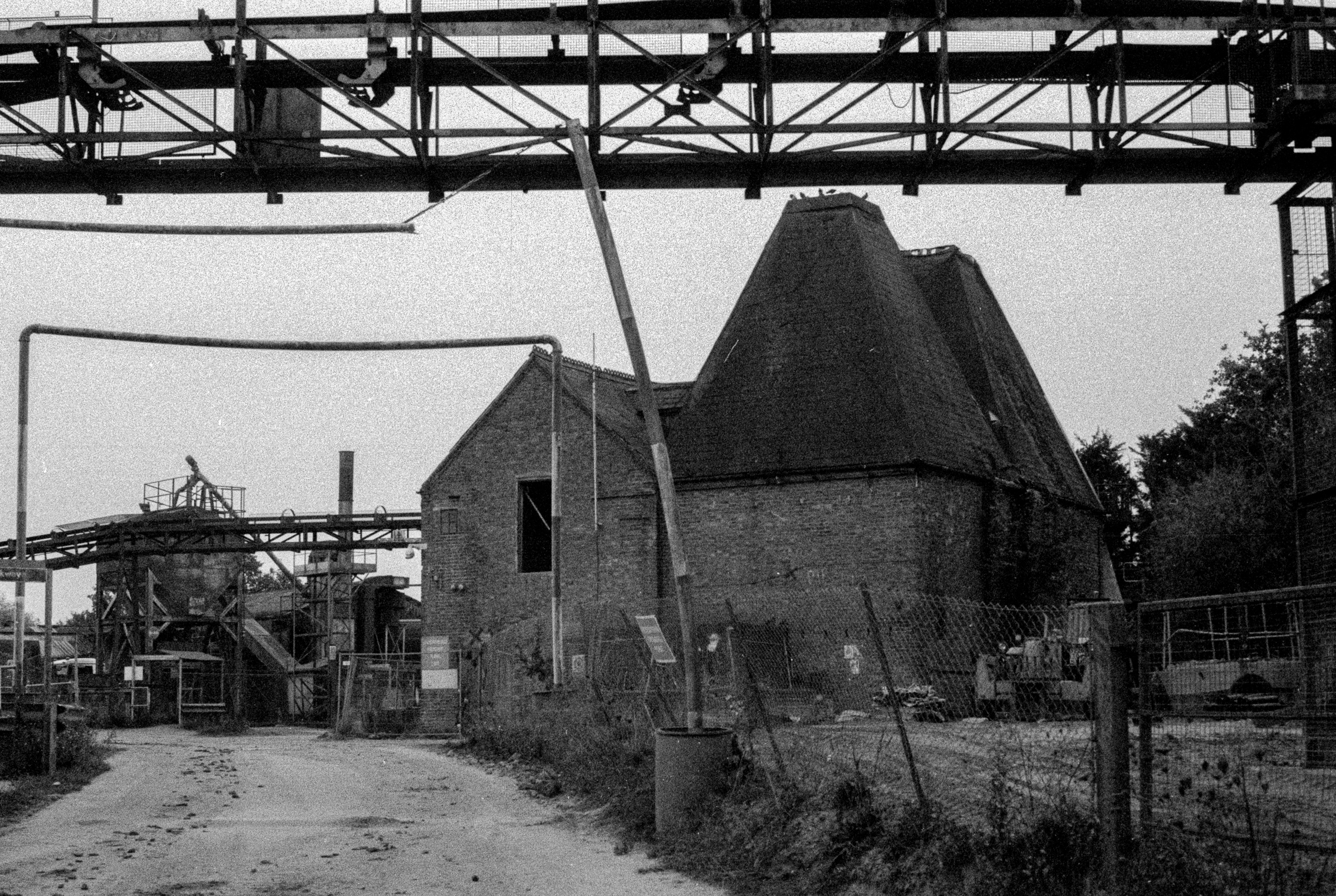
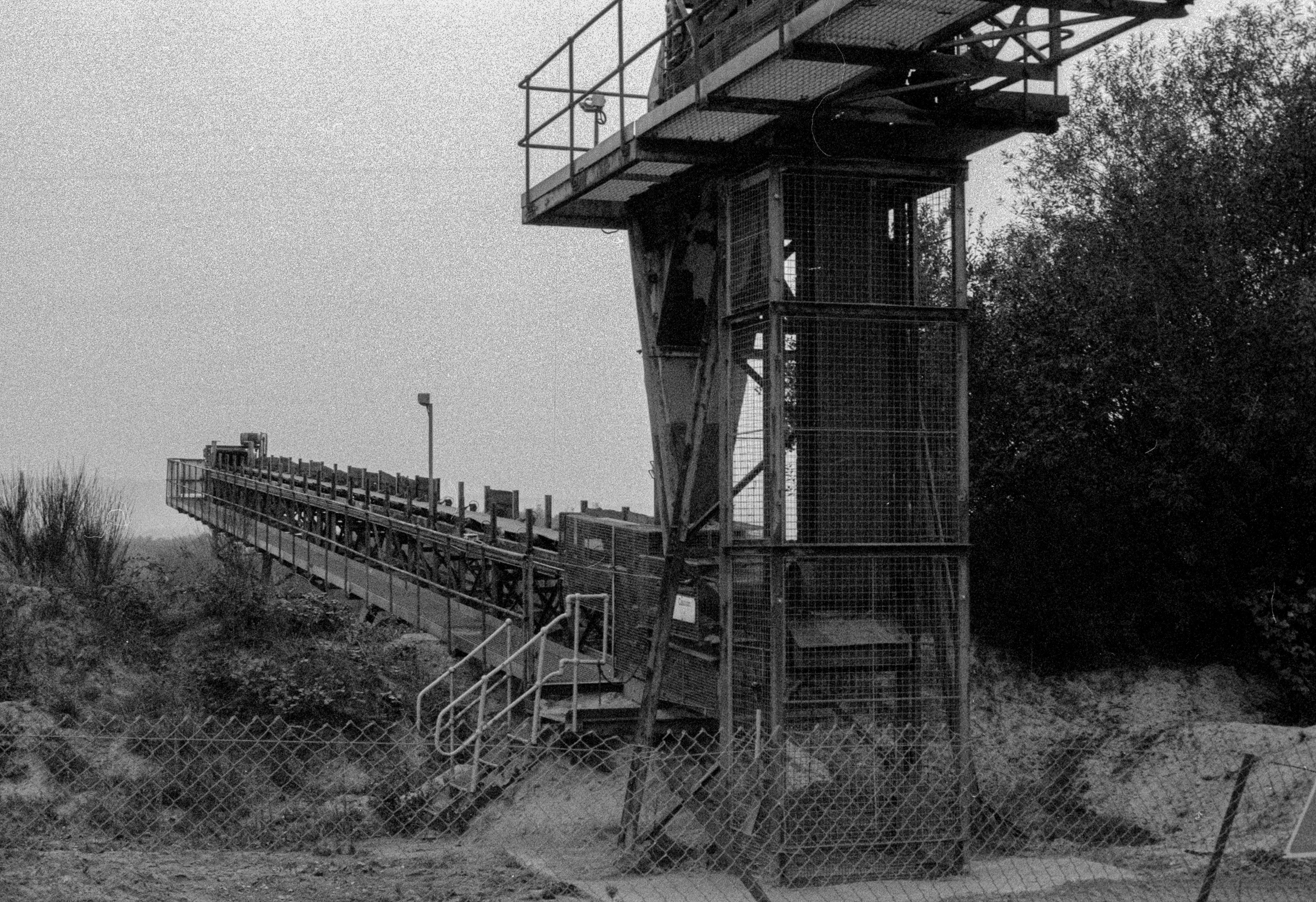
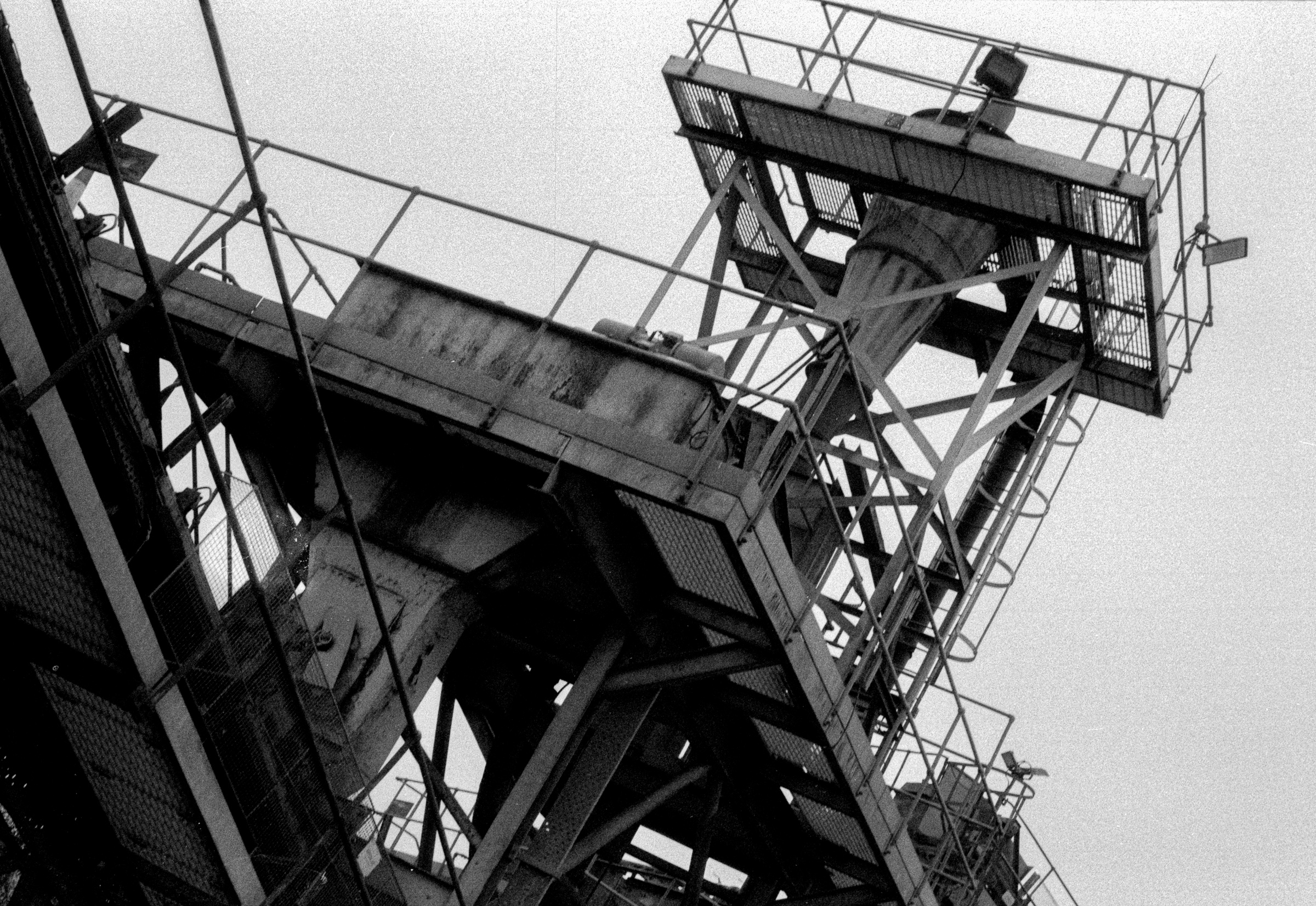
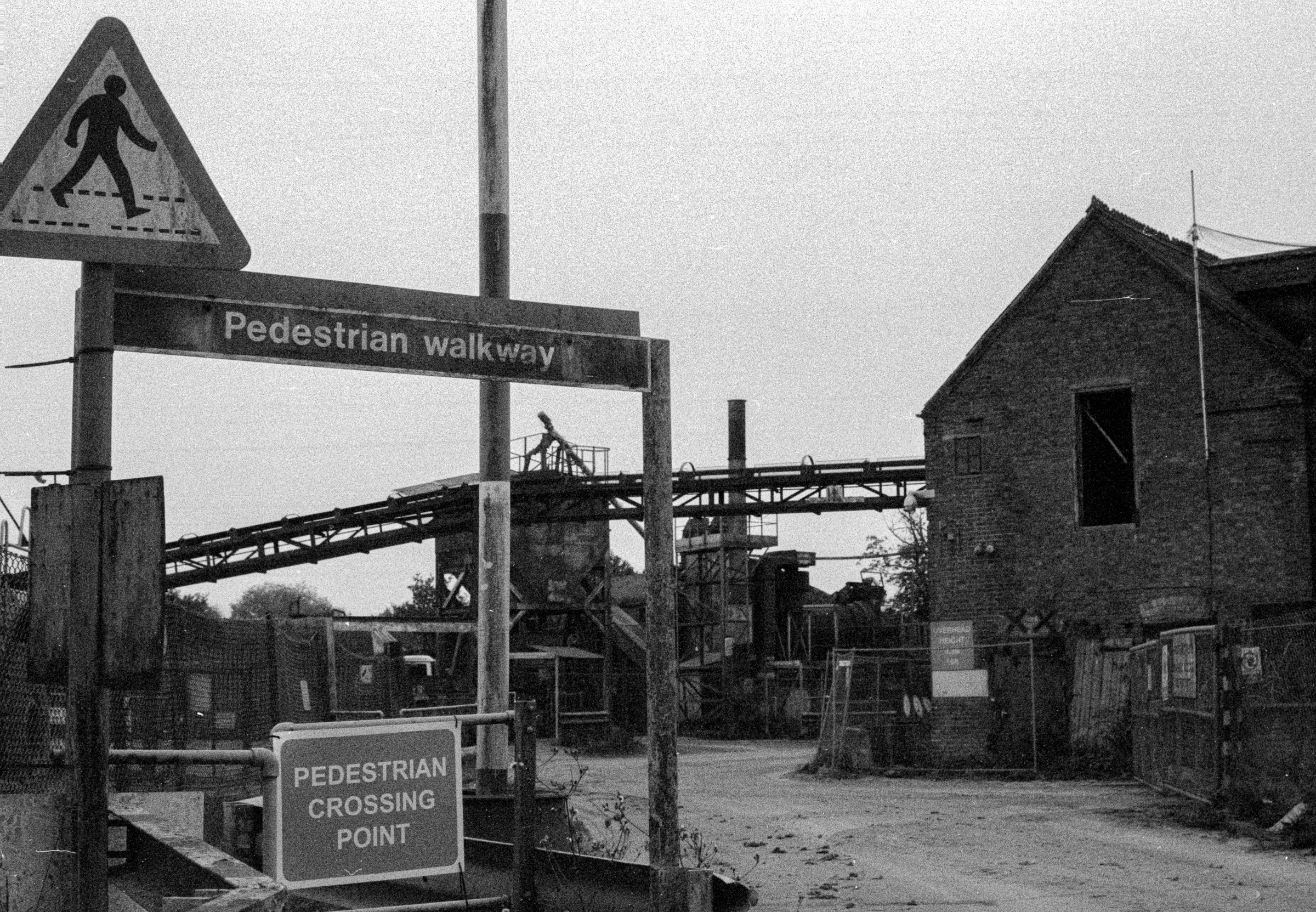
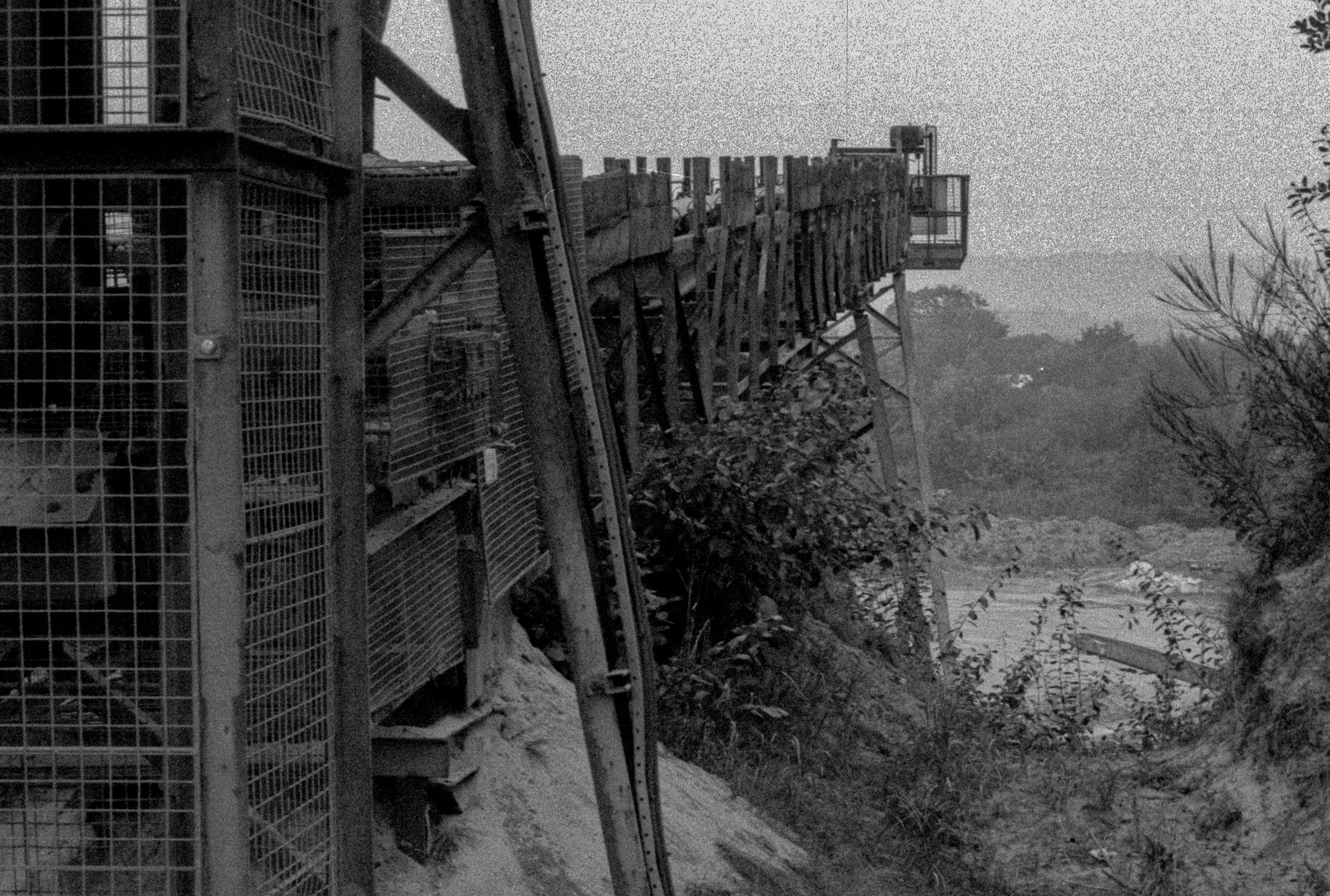
That evening I sat with my MacBook and scanner and started the long, laborious, but strangely therapeutic task of scanning and converting the dry negatives. Now I’m guessing by the title of this post you’ve already realised what happened next? Image by image, scan by scan I realised my bangers were actually closer to stinkers. They weren’t all bad, I’ve added a few of the better images to this post. The first picture above of the oast house framed by the overhead conveyor belt gives a nice feel of the scene and could have been taken 60 or 70 years ago. I also quite like the images of the conveyers belts disappearing out into the quarry giving a sense of the scale of the place. I’ve added a few other images below also that convey a feeling of the slightly derelict, post-industrial feel of the works.
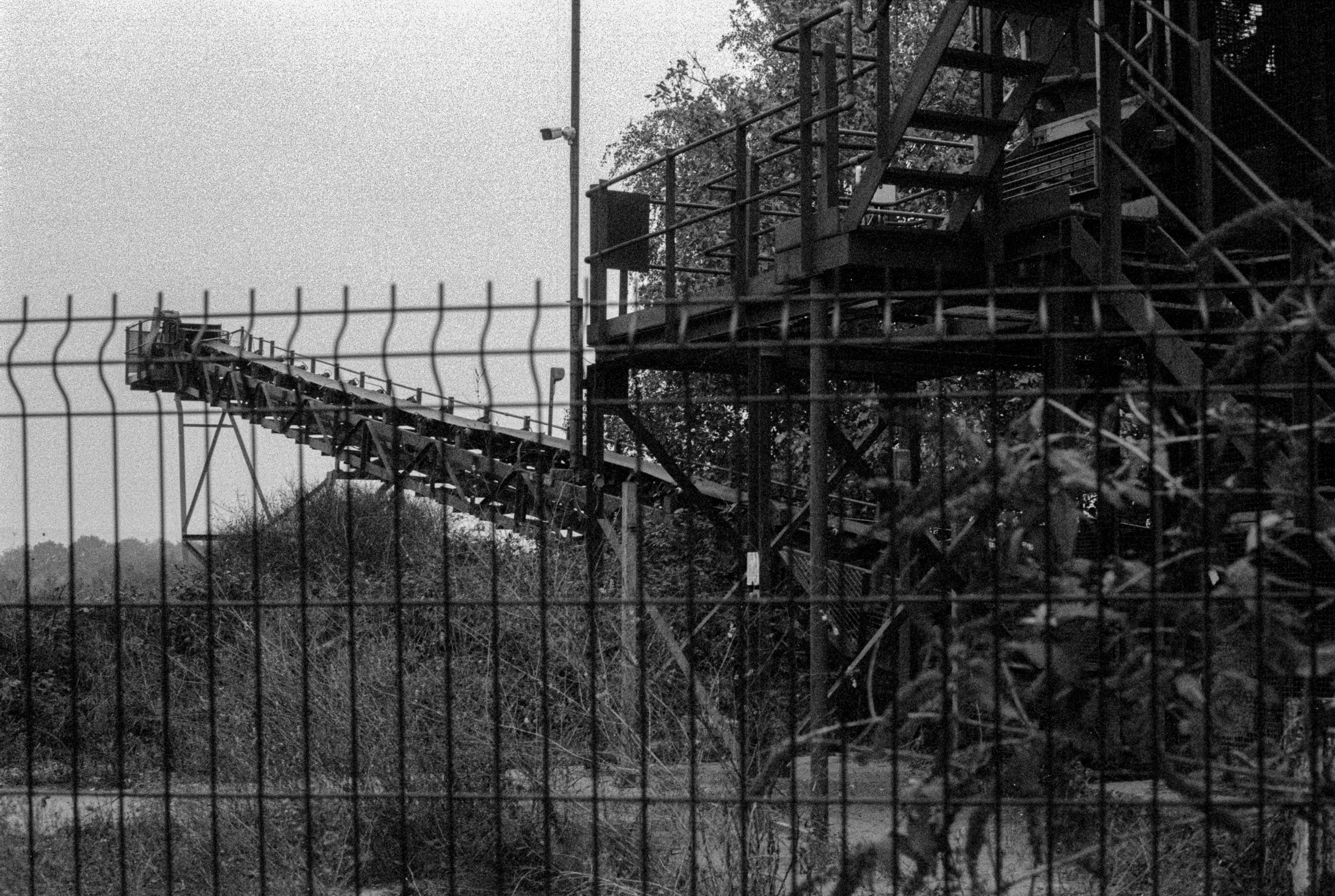
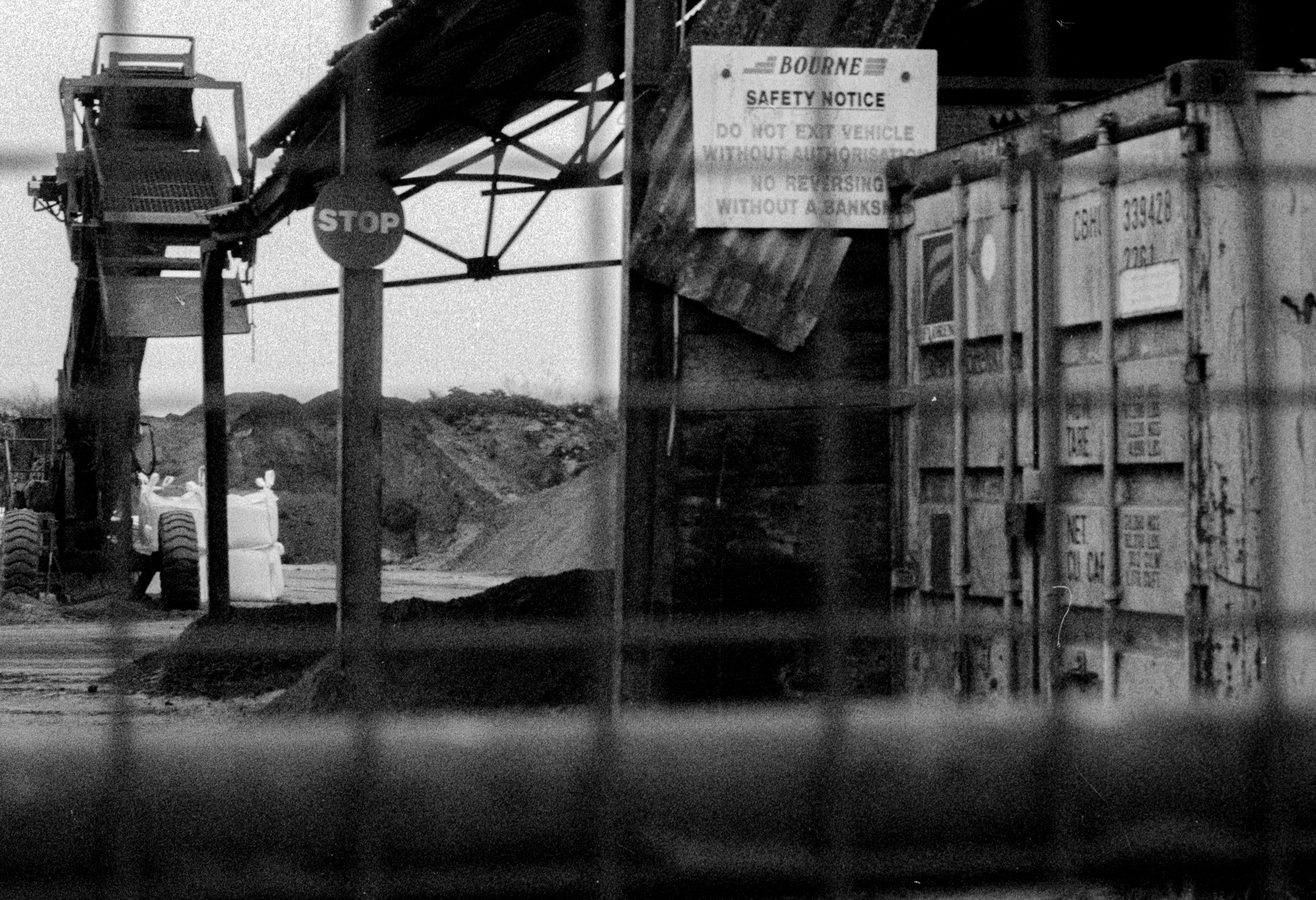
But these are seven images out of two rolls of film. That’s less than a 10% hit rate. So what was the matter with the rest of the shots? Well, quite simply they weren’t quite right, something was off with them whether it be a subject slightly out of focus, a framing that doesn’t quite work, a perspective that feels flat and without depth. And this is where the realisation hits home. You need to take a lot of photographs, and I mean a lot, to get those bangers. And the truth of the matter is, I’m taking nowhere near the number of pictures I need to to get good, to build a body of work that can stand on its own in a portfolio or a zine or a self-published book.
Once I got over my disappointment with the negatives I’d scanned I began to see the positives. Only by taking more pictures will I get better and build a body of work that I can be proud of. Without the muscle memory of photographic failure after failure there can be no success. I need to pick myself up off the concrete and get back on the skateboard. A great photograph - the proverbial banger, is hard earned and born out of relentless practice. For every great composition, there will be hundreds if not thousands of failures. It’s a numbers game pure and simple, and I need to get comfortable with the fact that it’s big numbers we’re talking about. And when I think about it, there’s actually something hugely liberating about that thought. Free of the pressure to take the perfect image, I can get out there and take as many pictures as possible, knowing that each one, each failure, is actually part of my success.
Thanks for reading and do let me know your thoughts. How have you come to terms with failure in your photography or other creative practice?
Thanks for reading frame to grain! This post is public so feel free to share it.