Faded vintage colour
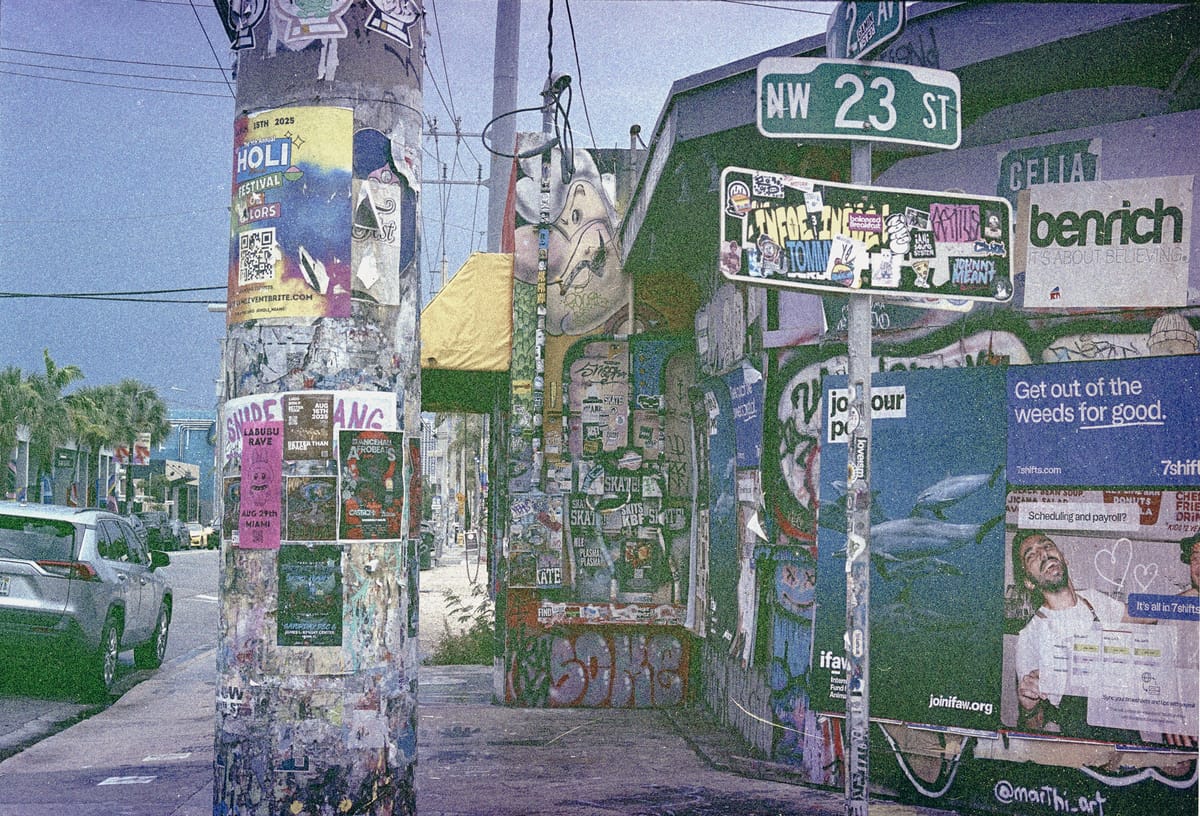
I decided before I went on my recent trip to Miami that I wanted to take some photos in colour. But there was a problem. I didn’t want to switch to using my digital camera. The whole point of my photographic journey has been getting back to an analogue way of thinking about things, slowing down, being in the moment. But how could I photograph one of the world's most vibrant cities in black and white?
I also had a lot of stock of black and white film having just gone down the bulk loading route with a long reel of Formapan 400. It felt an extravagance to go out and buy loads more films - we all know that film photography can be an expensive addiction.
As luck would have it I had asked my father-in-law whether he add any old photographic equipment lying around. I was half hoping he might turn up with an old vintage Leica or Nikon. Alas not. But what he did bring over were a few old camera bags with some older Canon digital bodies and lens. But as I dug into the bags I happened to find a number of rolls of Fuji Superia Extra 400. You can imagine my joy - just what I needed.
The only issue was that the film was obviously pretty old; he reckoned at least 15 years (I think it was closer to 20) and it had been stored in his loft for most of that time exposed to cold and heat. Working with vintage out of date film is - so the internet tells me - a bit hit and miss. Sometimes the films you use are just no longer up to holding an image - temperature and the passage of time have just been too much for them. But sometimes, if you adjust your exposure controls and give them more light than the box ISO speed (the guidance I read advised about one stop for every ten years), they work.

So they went in the bag for Miami, and onto the plane with me. I needed to be particularly careful with these films. Airport x-ray machines are notoriously damaging to camera film. An x-ray blasting would undoubtedly be the end of my fragile and ancient film, but fortunately the folks at airport security both here in the UK, and in the USA for the flight home were very understanding and allowed a manual hand check of the films without subjecting them to scanners.
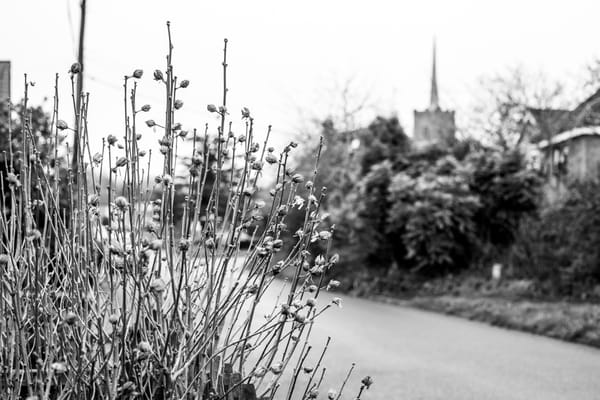
I’ve already shared some of my black and white images from the trip in a previous post. I found alternating between monochrome and colour film an interesting exercise and I was surprised how, when I used colour as a creative element, I started looking much more deliberately for colourful aspects and frames that the colour emulsion would accentuate.
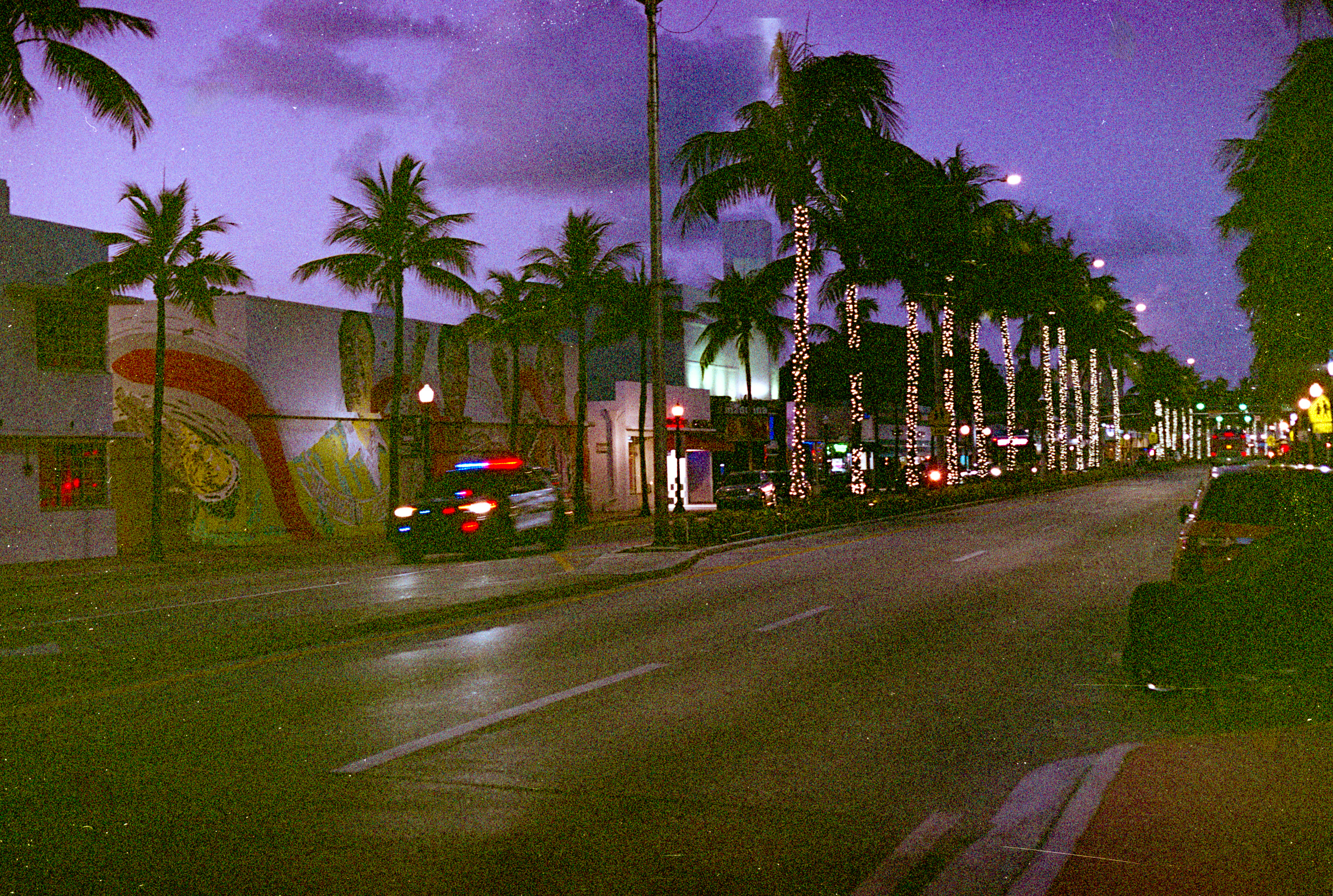
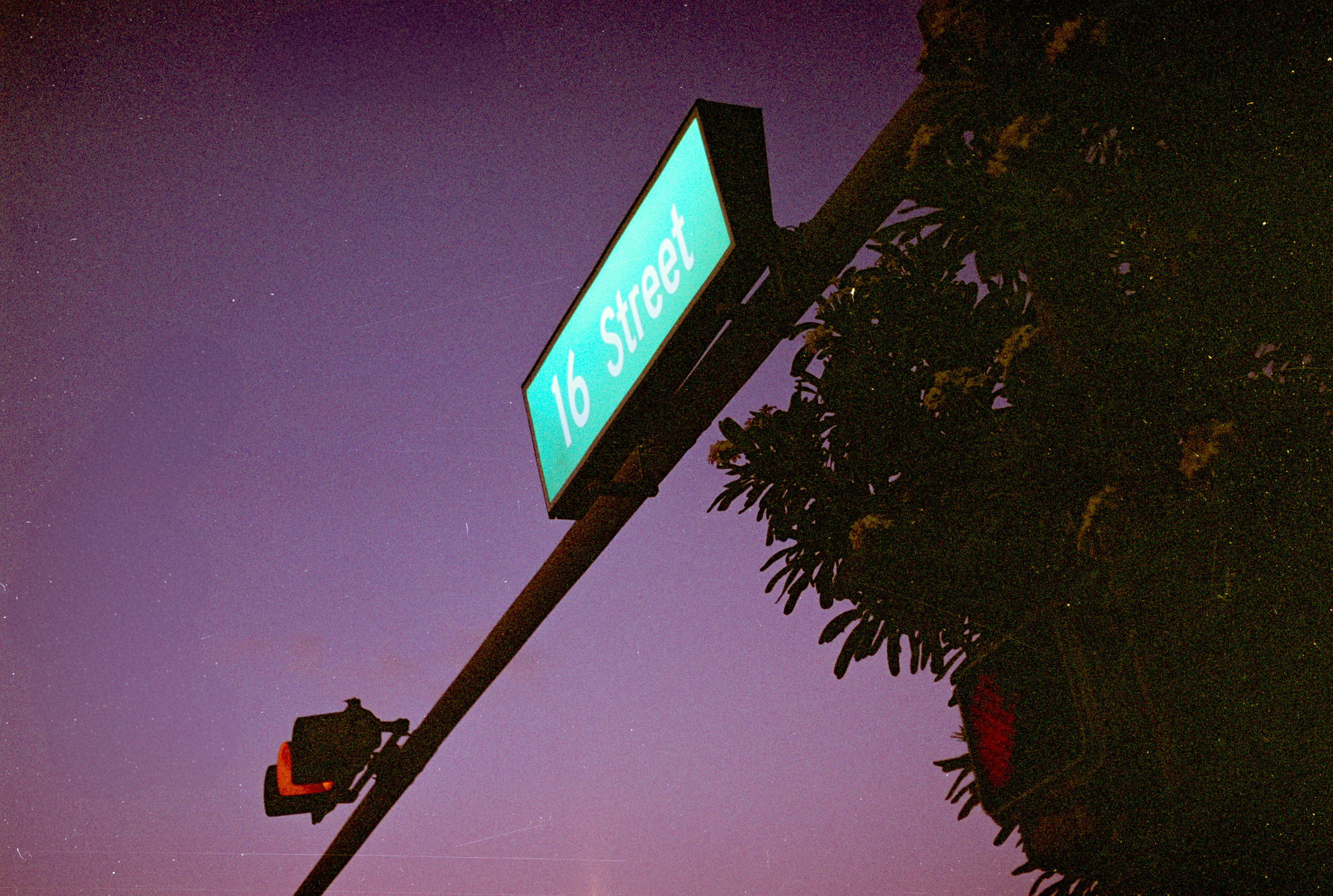
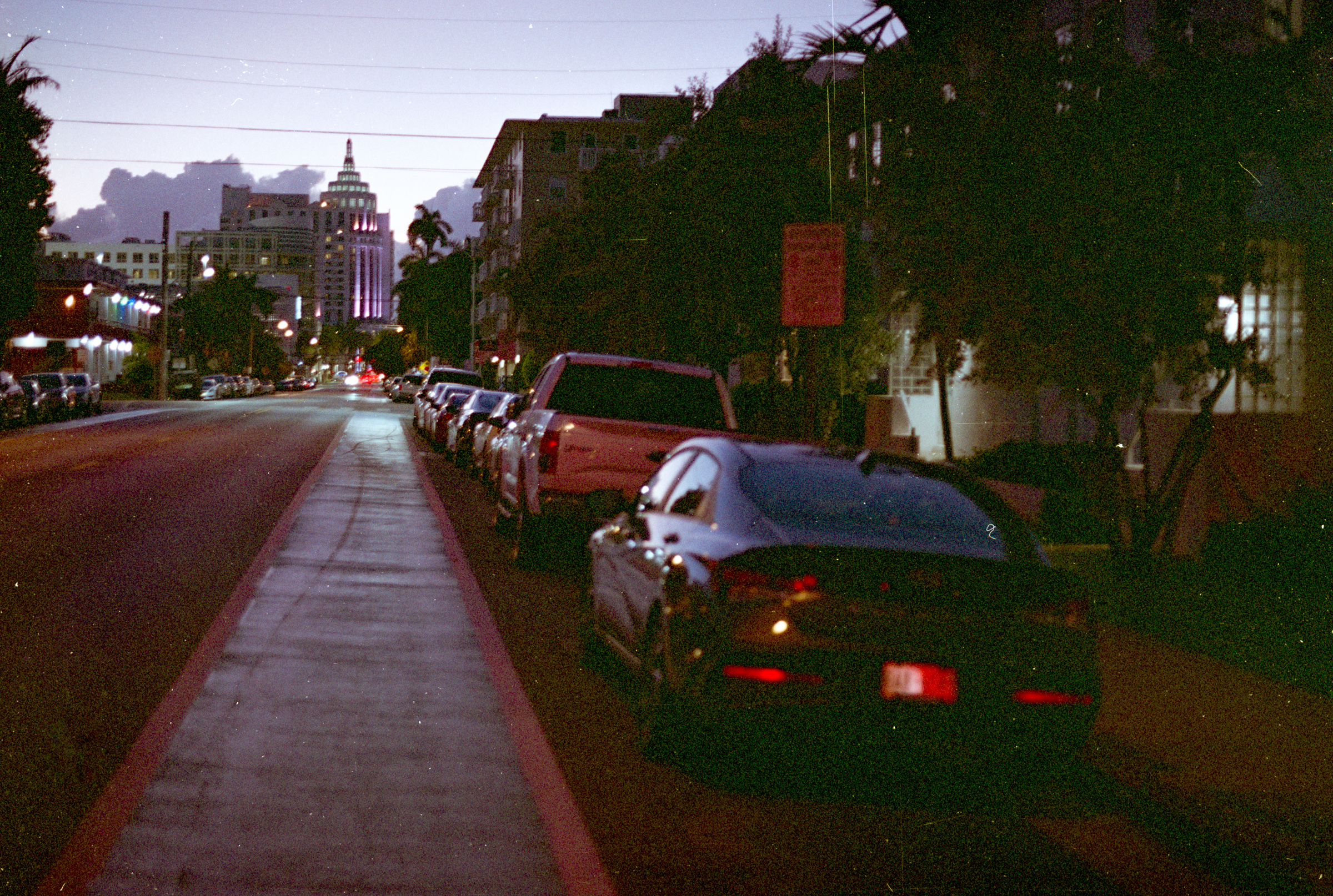
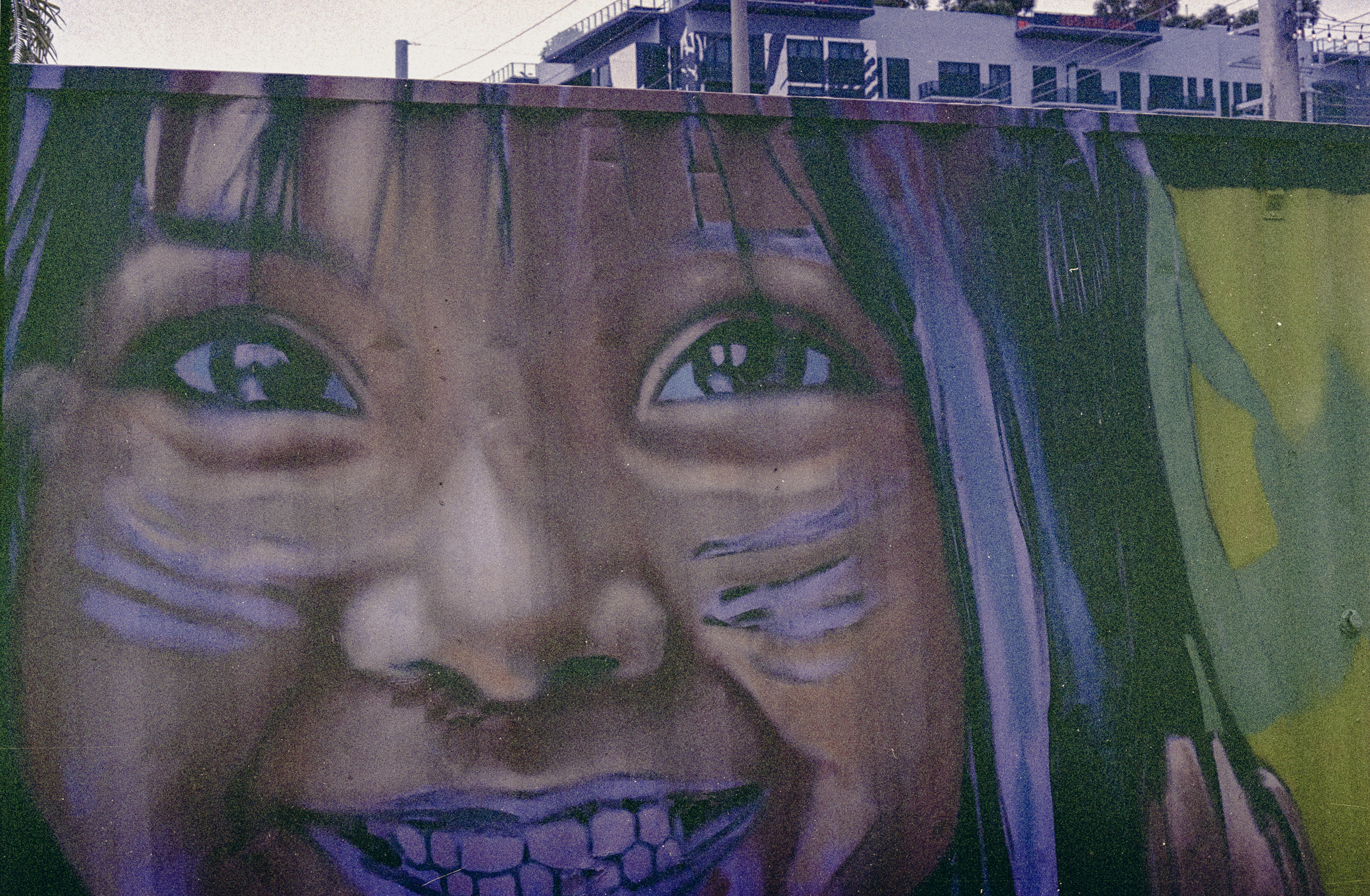
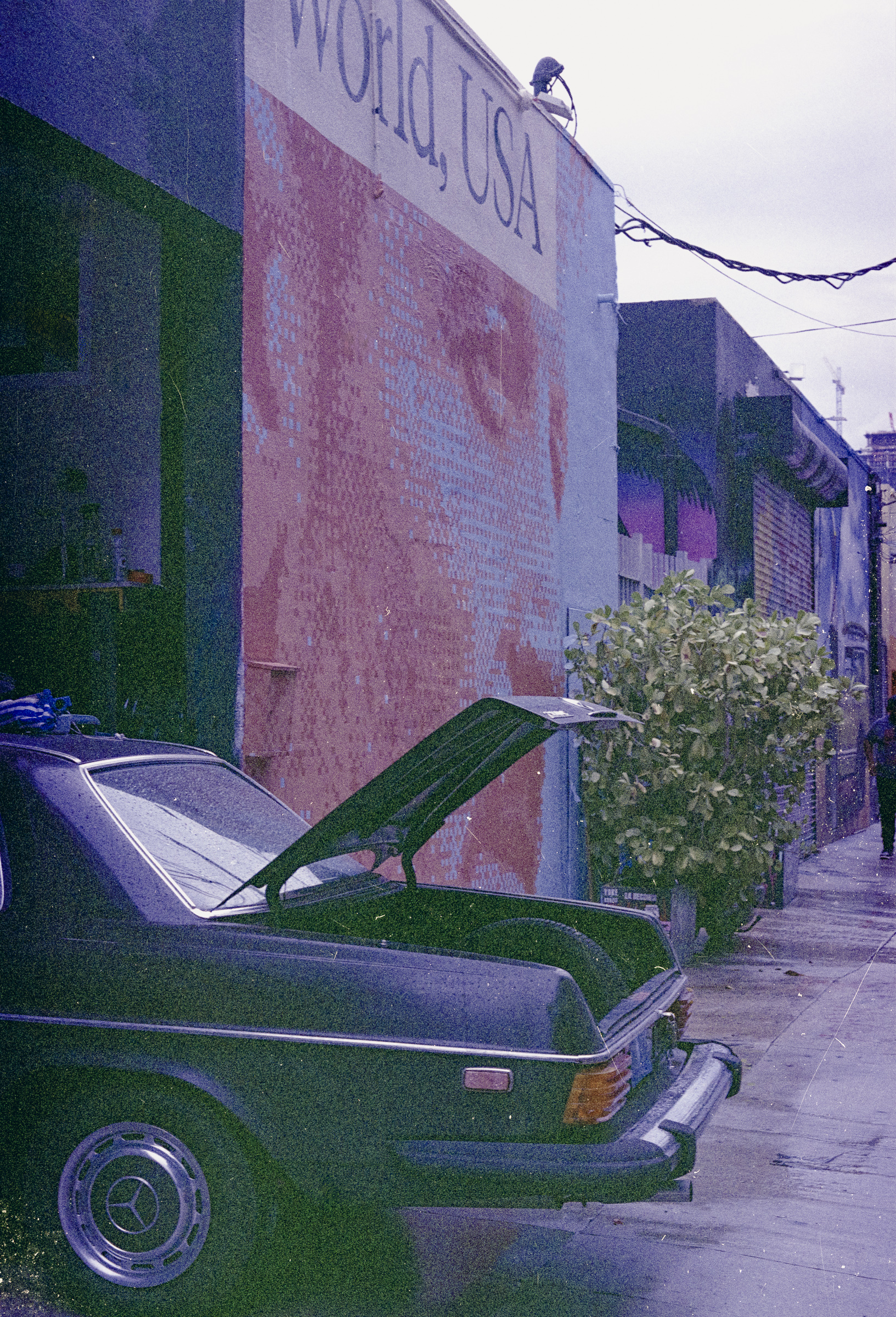
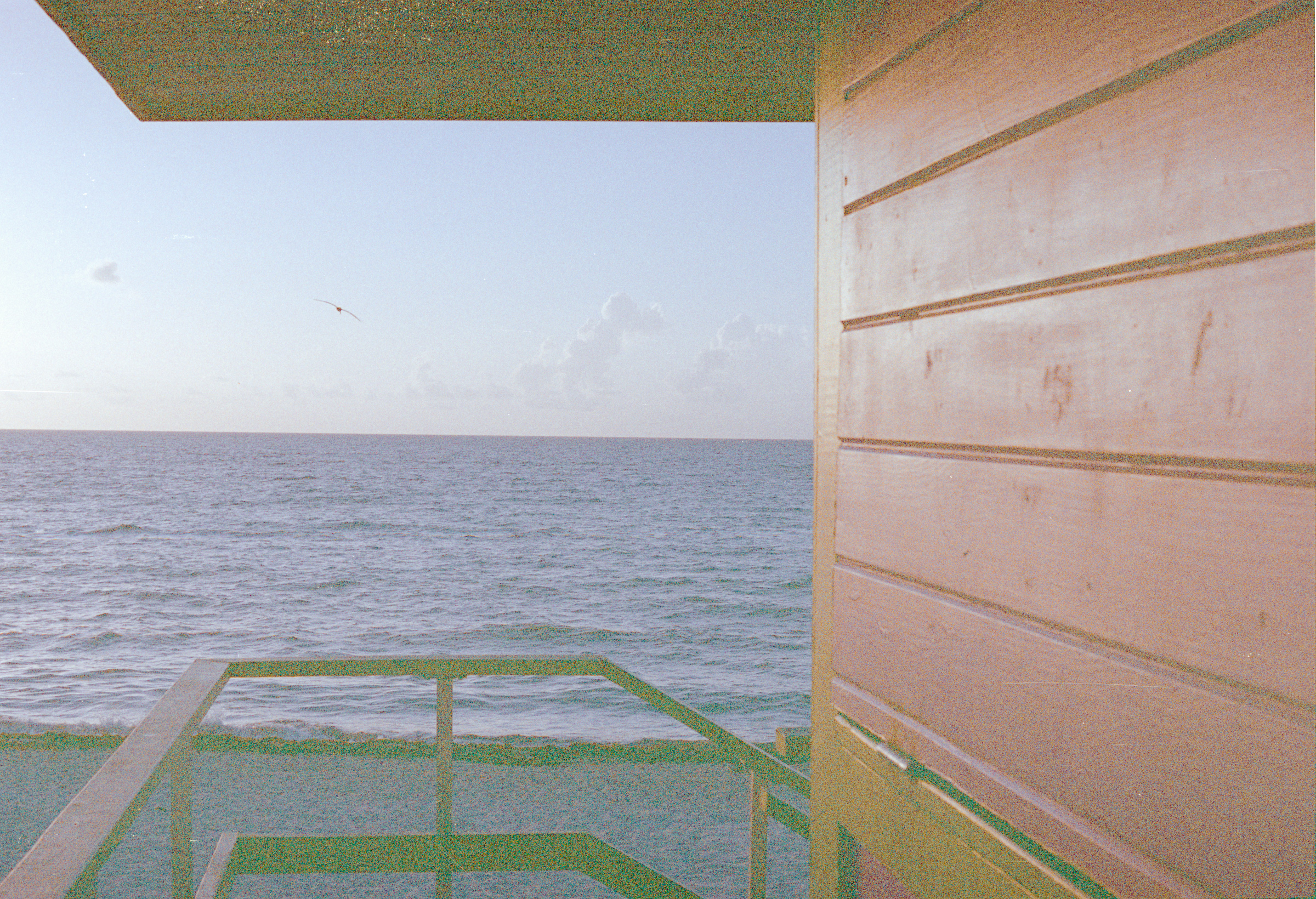
There’s a range of images here from some sunrise beach shots, to sunset and dusk exposures. The old film has held up well and, from a creative standpoint, has left me with images that have a really heavy grain (maybe slightly over-exposed?) and also a slightly faded and de-saturated take on that classic Fujifilm colour palate. I think they have, as a result, a slightly vintage feel to them despite the modern settings. The degraded emulsion desaturated Miami's notorious neon into something more melancholic - as if I was photographing the city's memories rather than its present. Faded vintage colour - a reflection perhaps of a city that remains as vibrant as any in the world but feels a little bit tired and fraying around the edges.
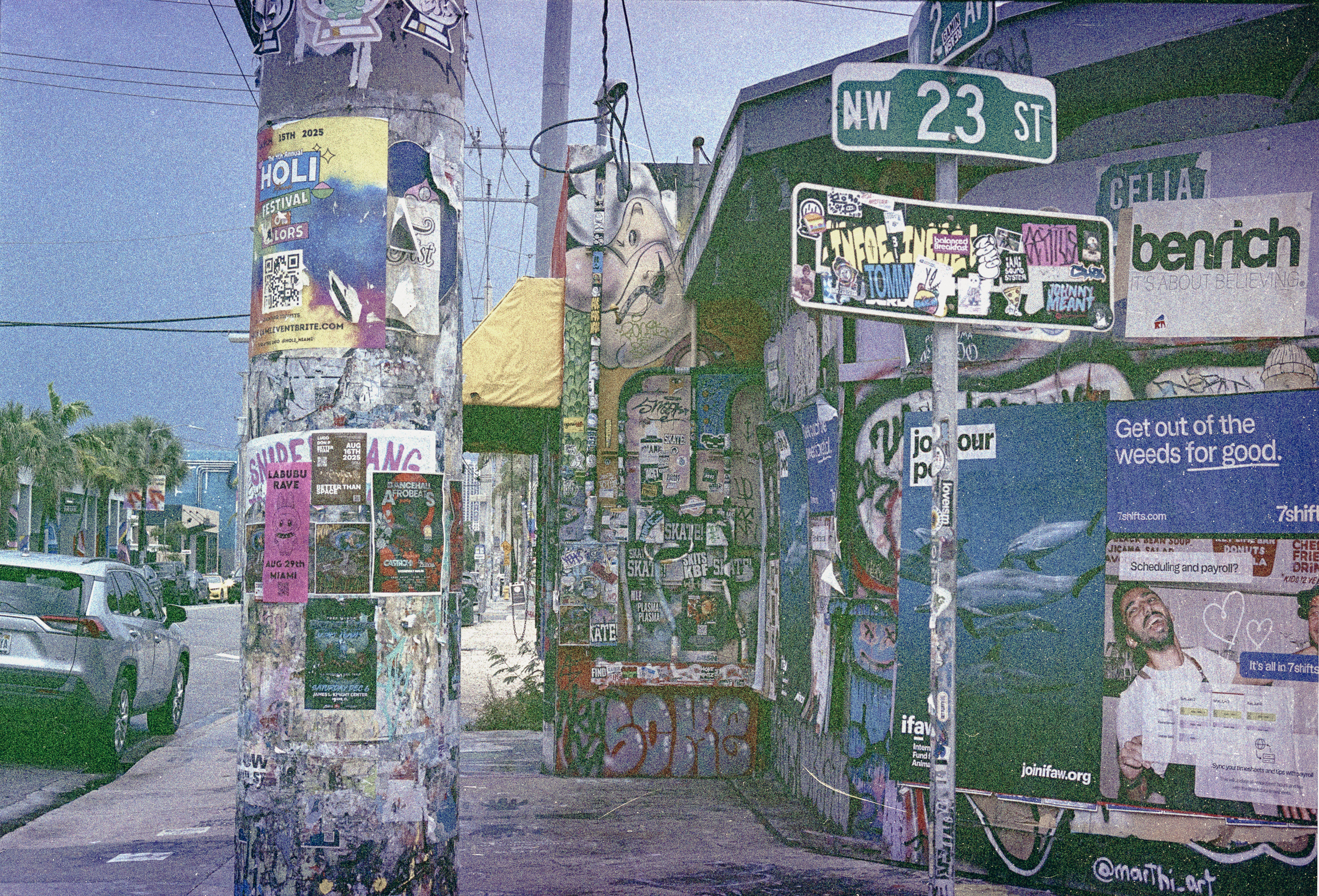
The shots of Wynwood District street art are my favourites. The film combined with the heavy, stormy (and very wet) skies that day, have given the images - in my opinion - a 1980s feel. I can almost see the streets as a backdrop in the classic TV show - Miami Vice.
These expired films proved that sometimes the most interesting creative tools are the ones that aren't working perfectly. The slight failure of the chemistry created something I couldn't have achieved with fresh stock (or on a digital camera) - a Miami that feels both timeless and tired.
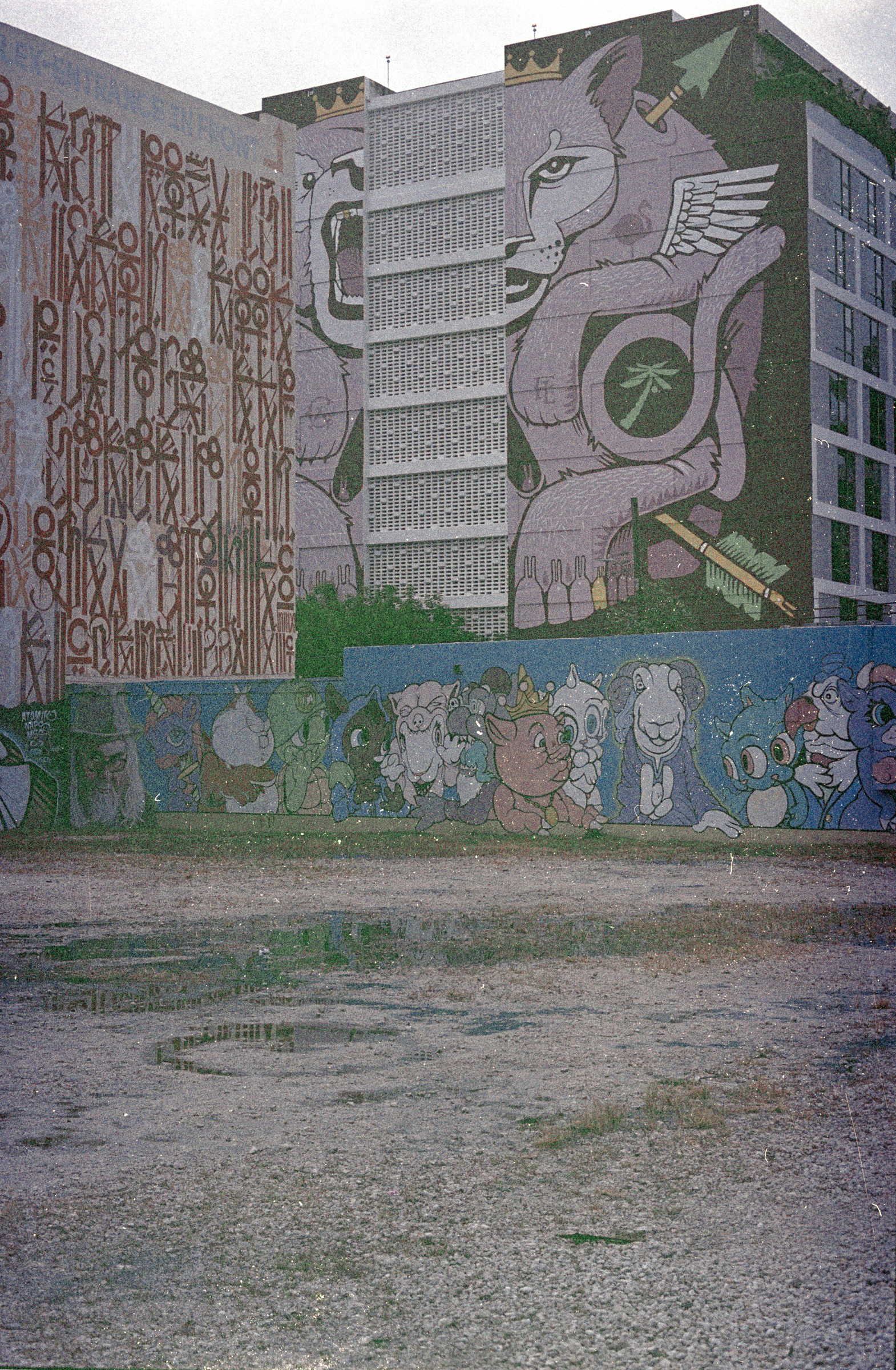
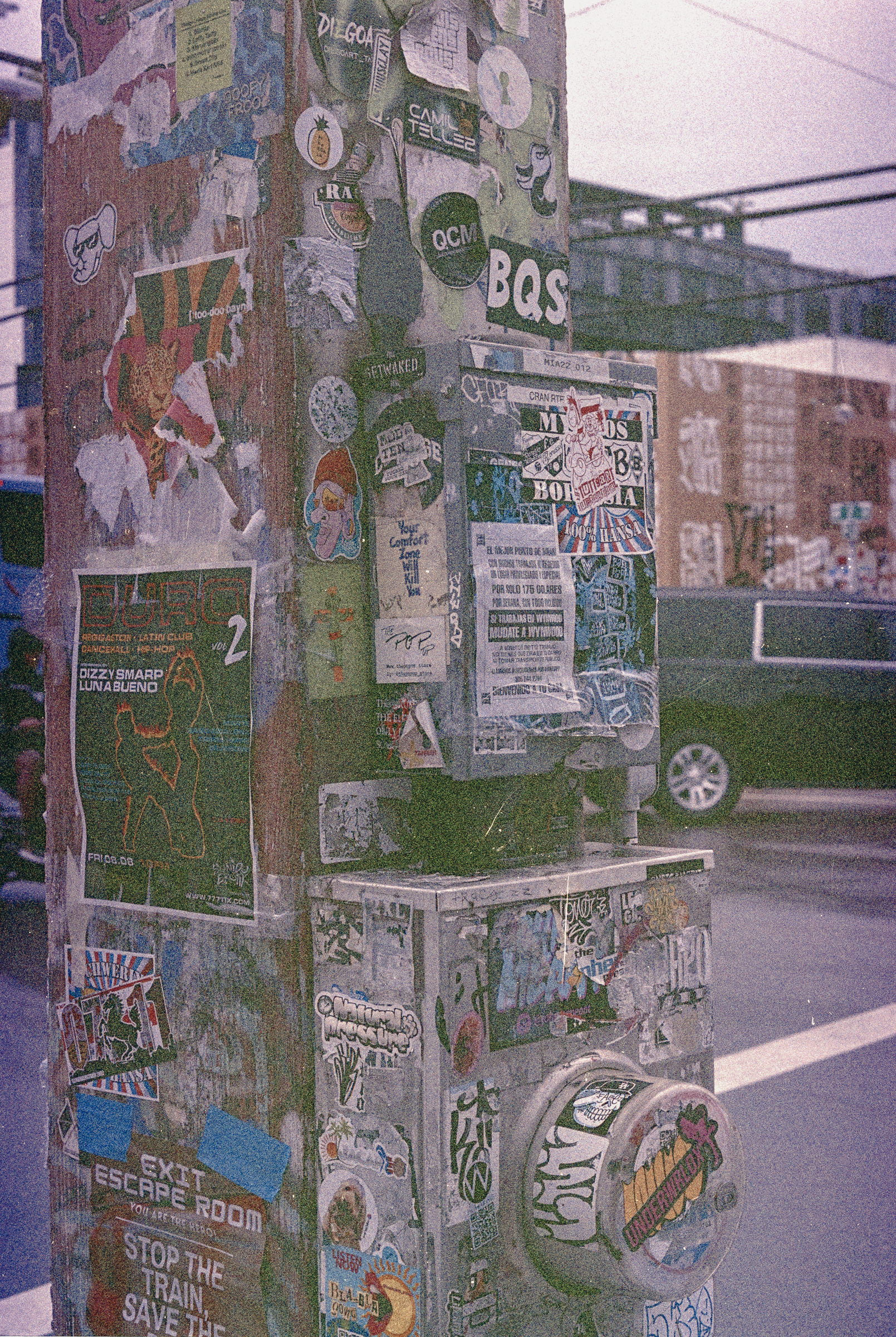
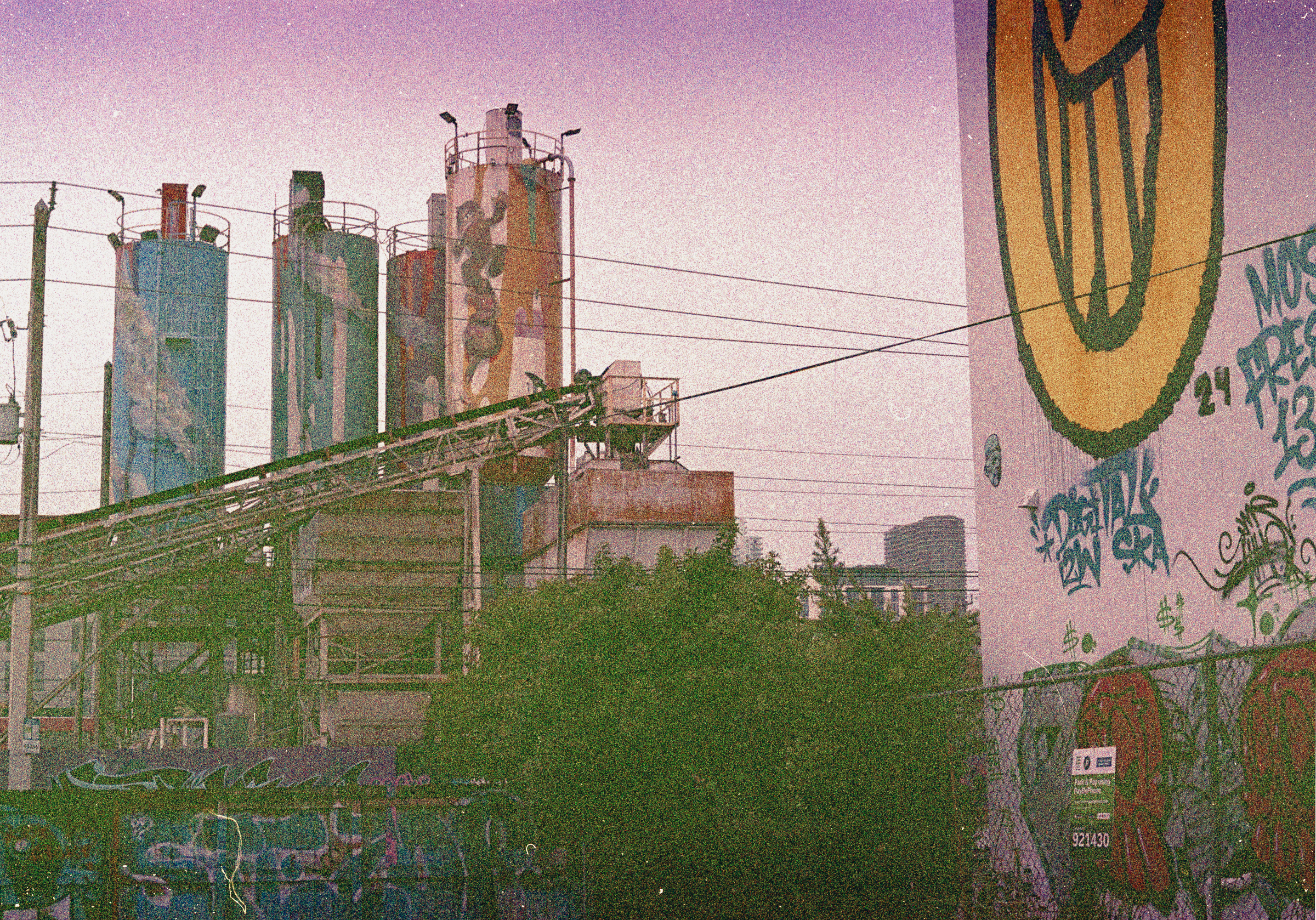
All in all I couldn’t have asked for more from the old film. I really enjoyed the experiment in colour and hope you like the pictures I’ve included. Bye for now and thanks for reading.