Road Works (For Years)
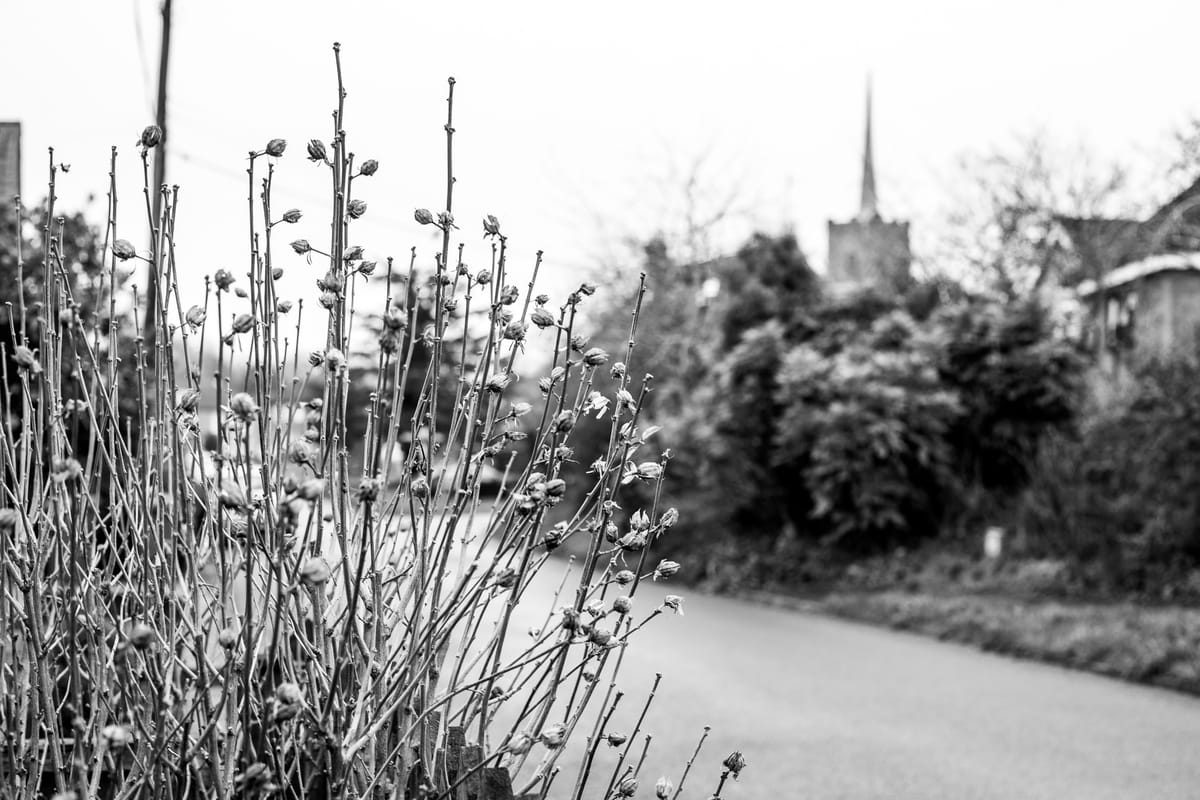
For as long as my wife and I have been together, the tiny village of Middleton in Suffolk has been a welcome escape from the hustle and bustle of living and working around London. Her parents have had a small cottage here since the late 1970s, and we’ve been arriving with children, dog and overpacked bags ever since.
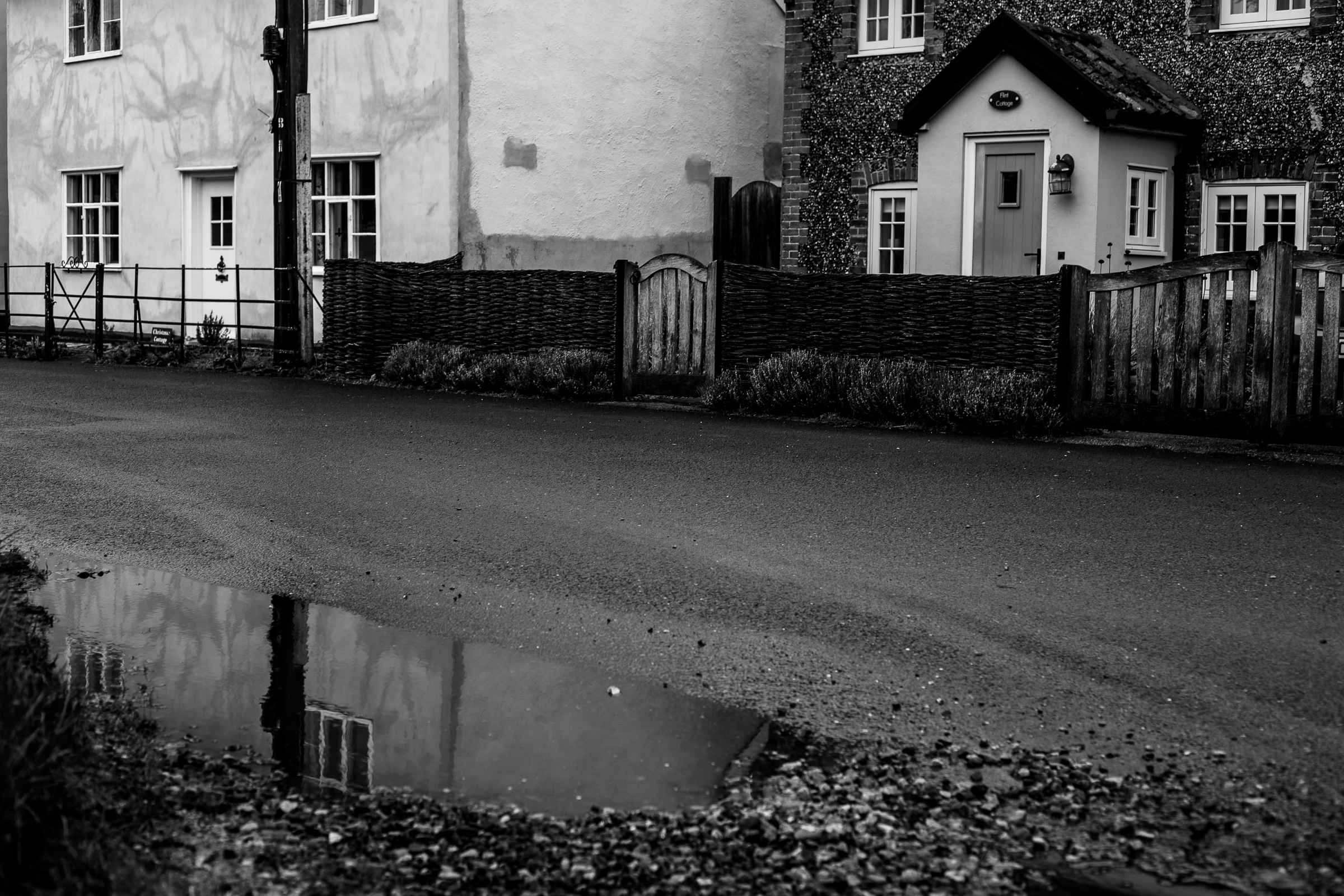
When you arrive here it’s like stepping back in time. There’s a different vibration and rhythm to life here. It’s not just the slower pace, it’s also the attitude to life. The focus is on community, very distinct from the assertive, self-promoting and self-serving dynamic that you often find yourself immersed in if you spend anytime in London (or any other big city probably).

Our kids have grown up loving spending time here in the little pink cottage, as they used to call it. You can almost feel yourself exhaling and the tension of work and life’s other challenges falling off your shoulders as you walk into the cottage and light the log burner.
Walking around the village in the morning to take the dog for a walk there are no cars to speak of. The only encounters on the little lane from the cottage to the playing field are the other morning dog walkers.
The village has a beautiful church and a pub, the latter of which remains the hub of village life. There was once a small post office but that closed in 2005.
There’s a bus stop - served by a little minibus six times a day that you have to book in advance. And there’s an old red telephone box that - like most examples still found in villages across the country - has been repurposed, this one as a community “give and take” hub for sharing books etc.
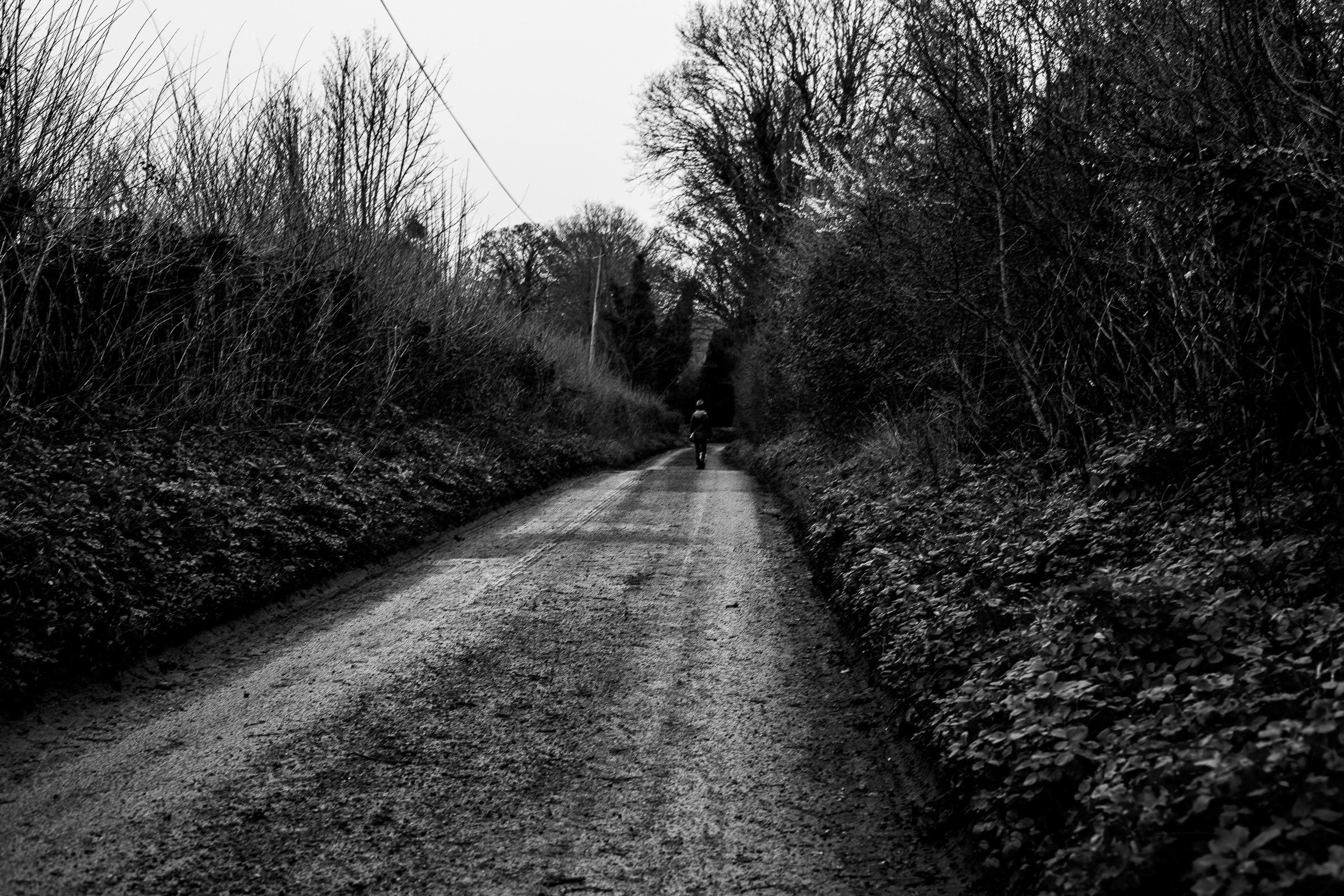
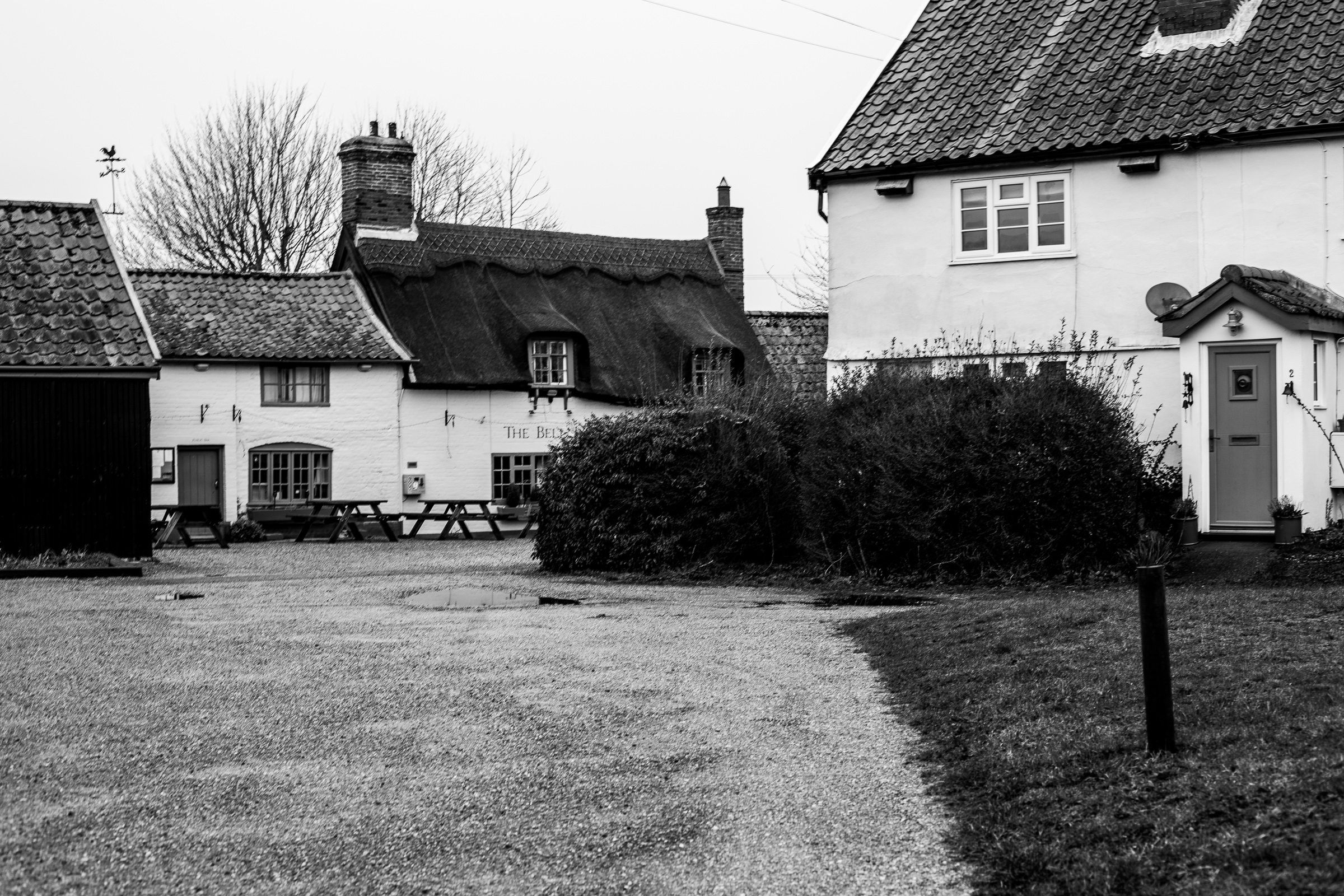

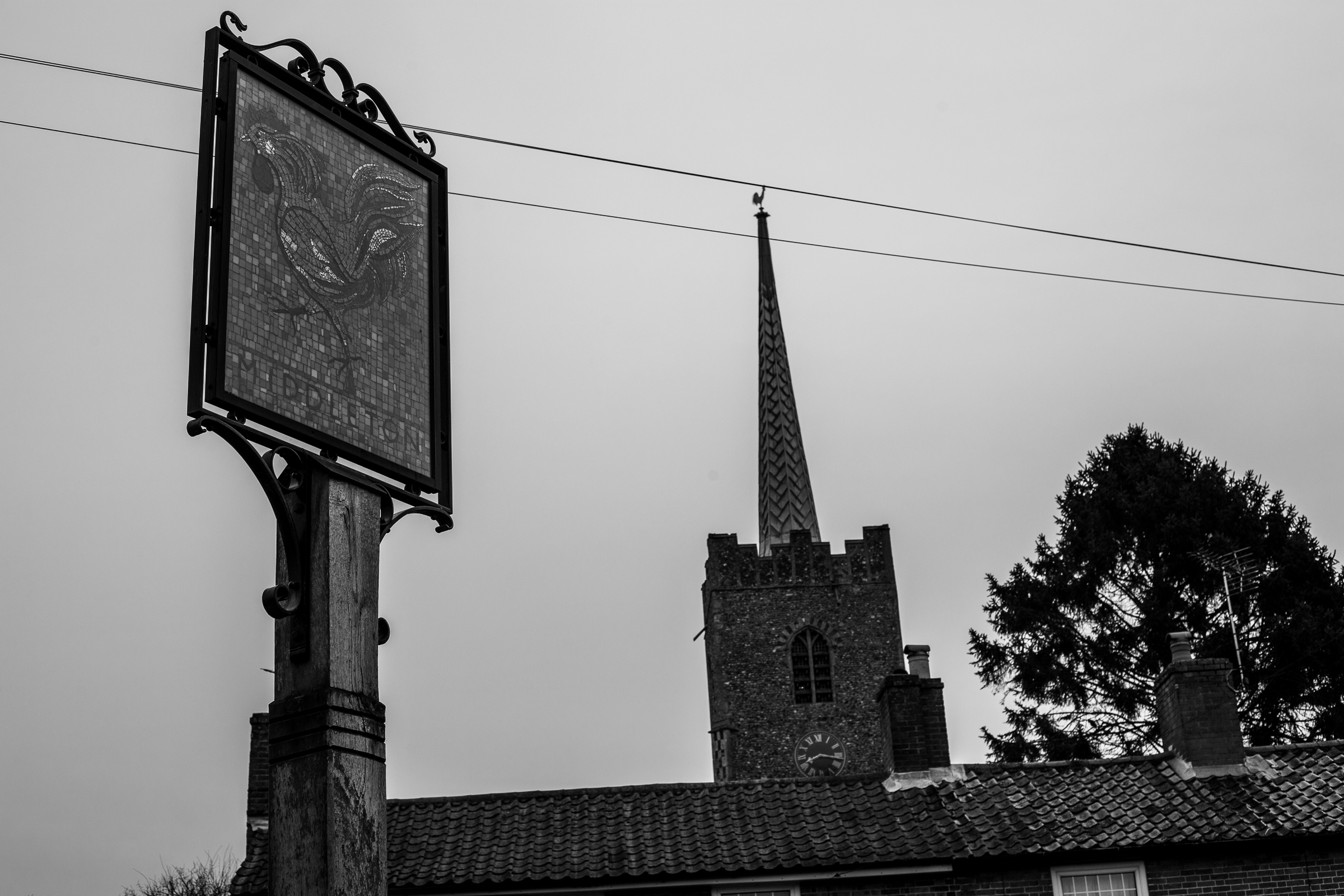
But this time when we travelled up to Middleton (the first time in a few years) we could not help but notice the huge disruption and destruction evident in nearly all of the roads, villages and towns to the south and east of Middleton. This is because Middleton is about 4.5 miles as the crow flies from the site of the new Sizewell C nuclear reactor.
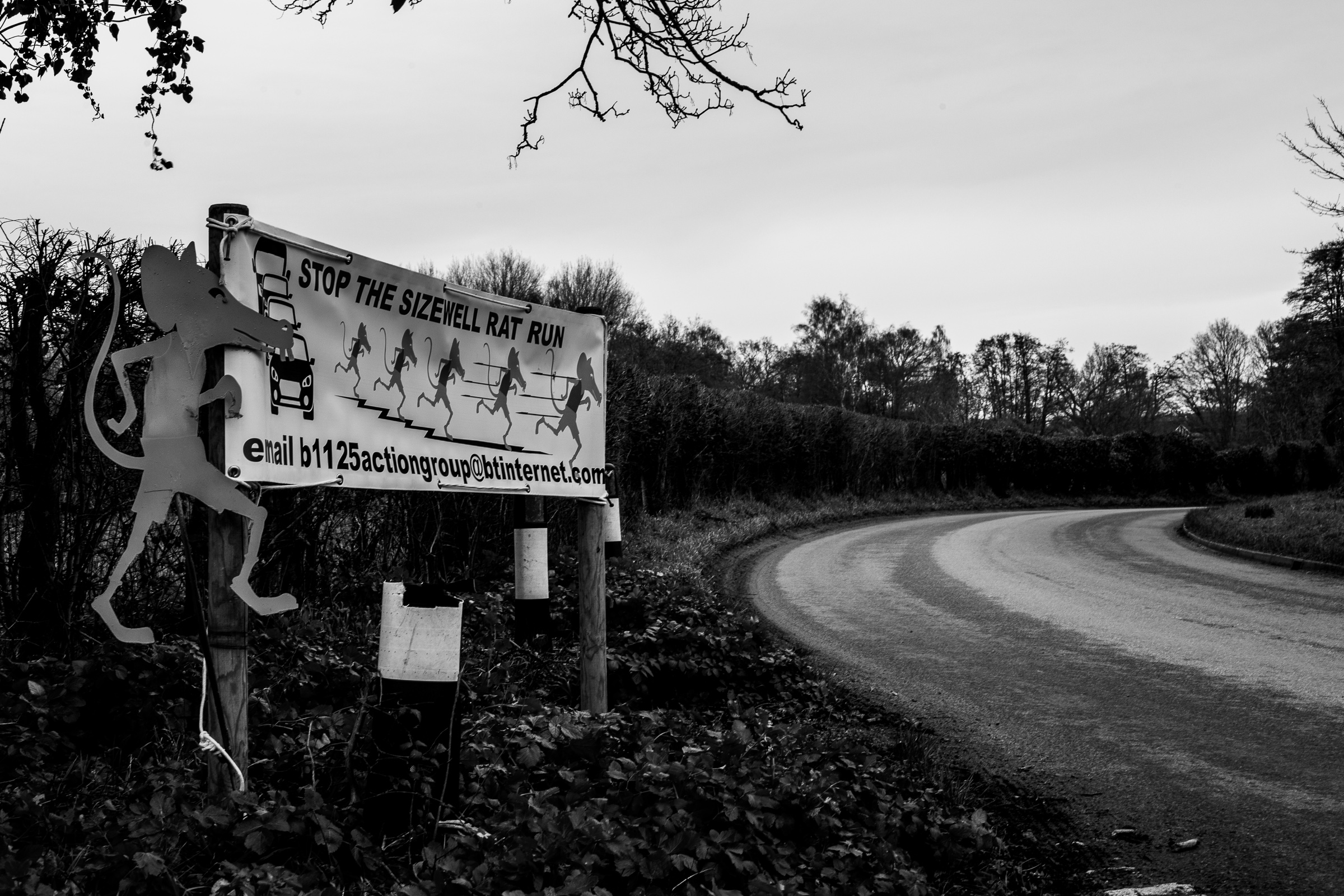
To be fair, my wife’s parents had told us at length about the devastation the recently started construction work was having on the local area. And we had of course seen the protest signs up in windows on previous visits. But it is only when you come to this part of the world that you realise the monumental impact that Britain’s biggest infrastructure project is having, and will continue to have for at least the next decade, on one of the most beautiful parts of eastern England.
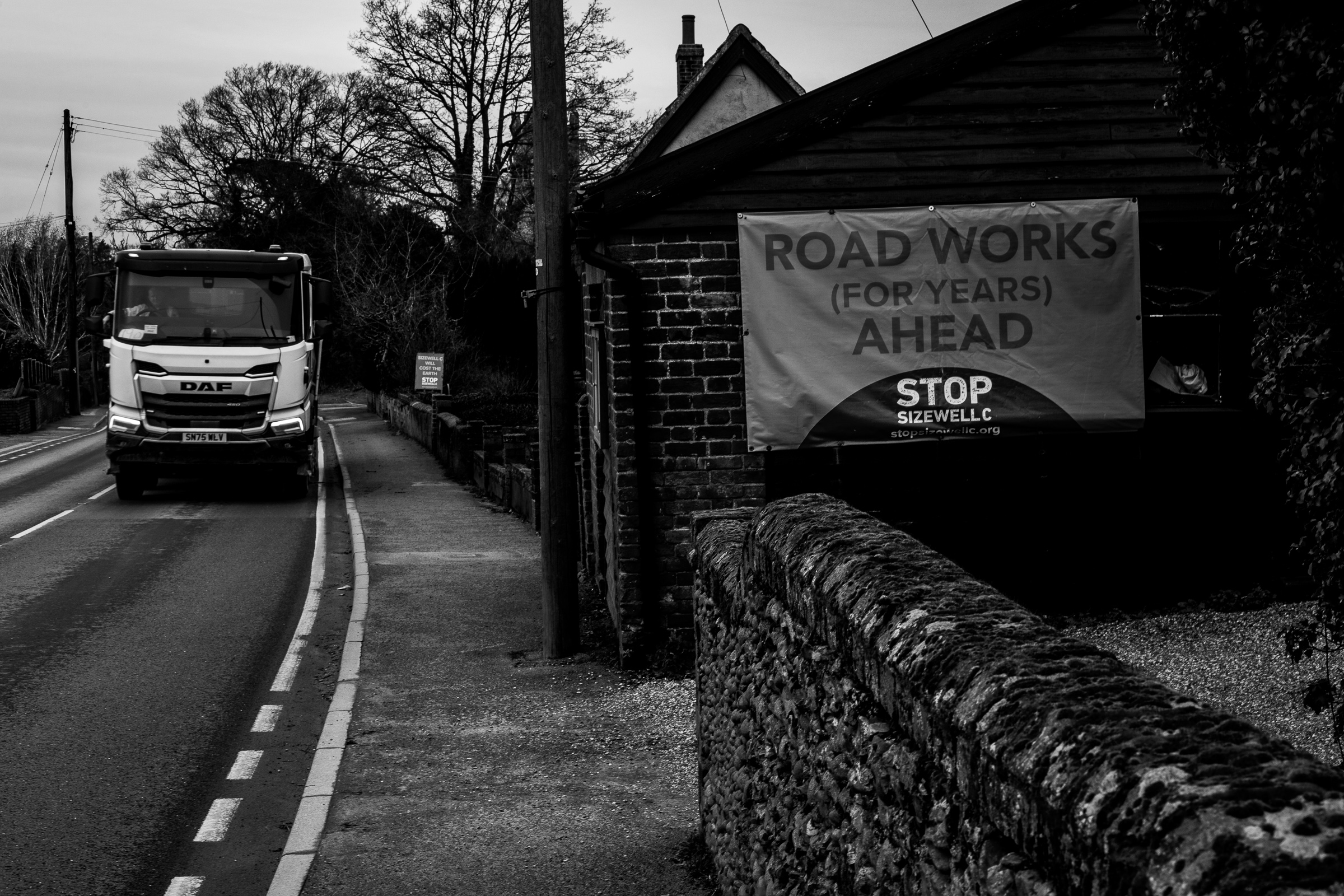
As I was walking around with my camera trying to capture the contrast between the idyllic village and the chaos surrounding it, I found myself mentally going over the pros and cons of Sizewell C.
On the pros, I know we need to be investing in our post-carbon energy infrastructure. When it comes online in the mid-2030s, Sizewell C will generate enough electricity to power six million homes. But then I ask myself is nuclear the best bang for our stretched public finances when investing in renewables instead would be cheaper, less destructive, have a lower carbon impact to build, and would be generating green energy much quicker?
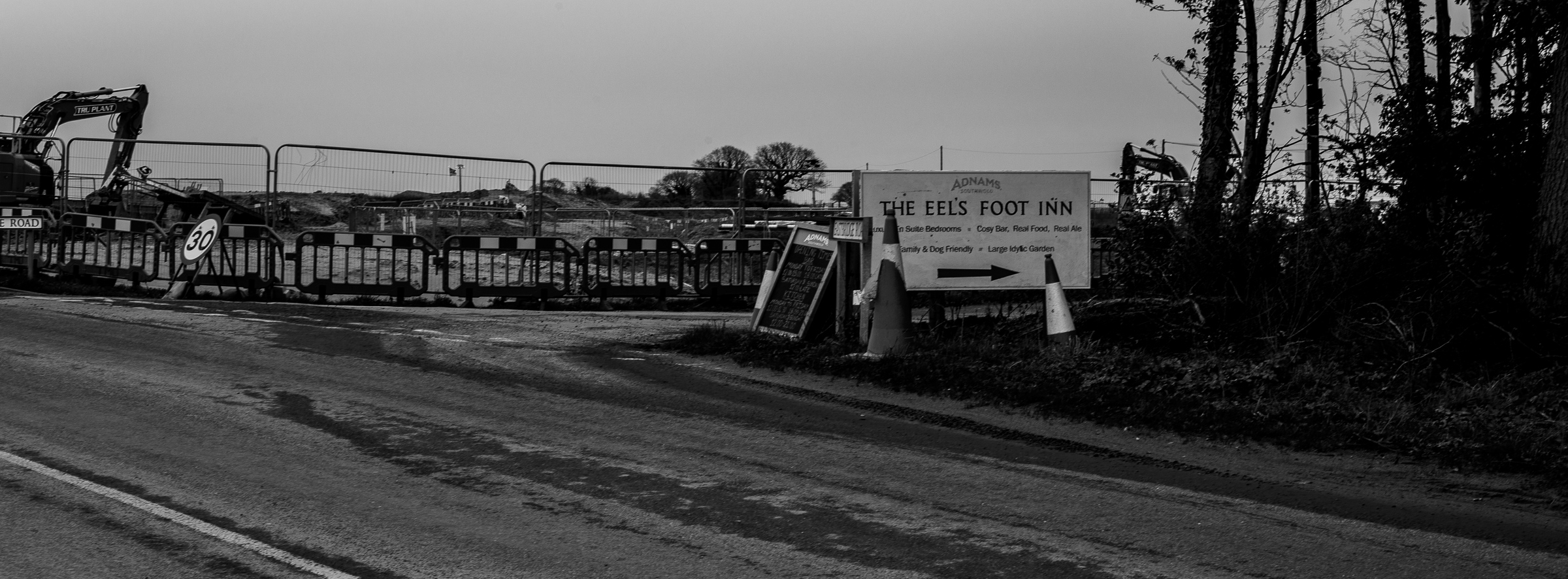
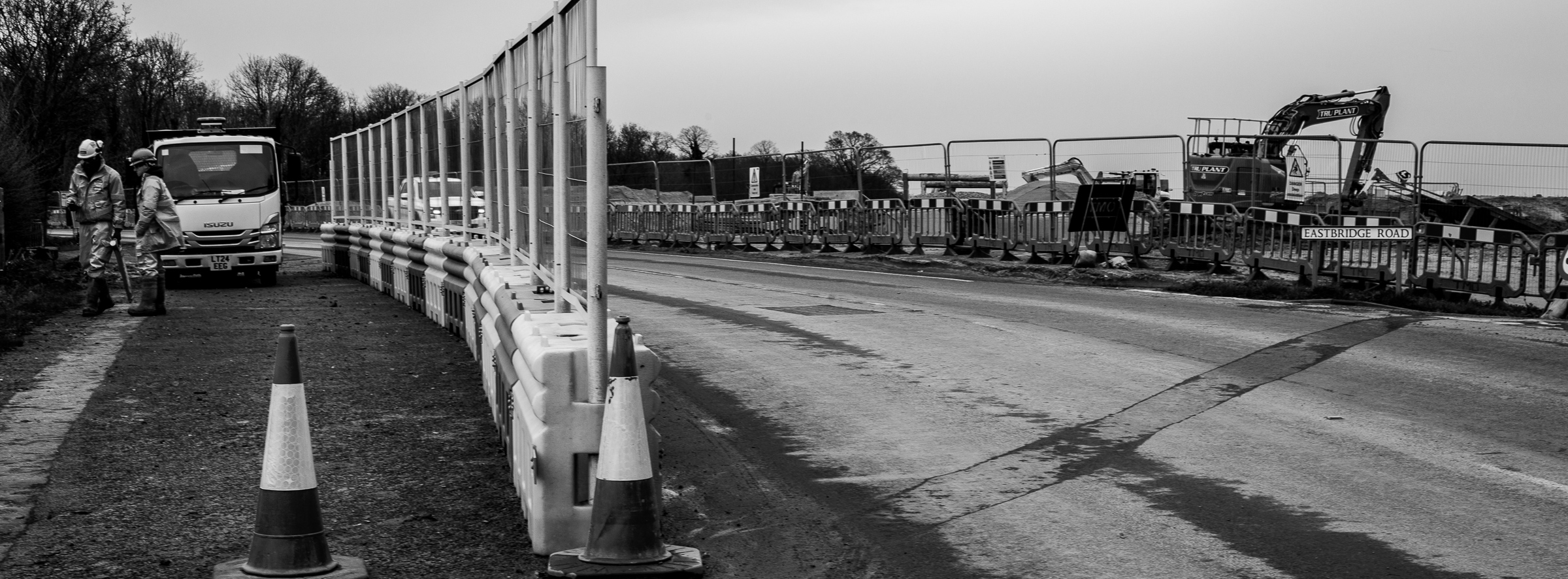
And, from my perspective the cons are significant.
This part of the Suffolk Coast is a designated area of outstanding natural beauty. Sizewell C will be directly adjacent to RSPB Minsmere — one of the UK’s most important nature reserves, and a favourite day out of our family when we’re here. Right next door to Minsmere is Sizewell Marshes, a nationally protected Site of Special Scientific Interest. This unique habitat will be permanently lost. Orchids, otters, dragonflies, marsh harriers, natterjack toads, and the nationally rare barbastelle bats are all at risk.
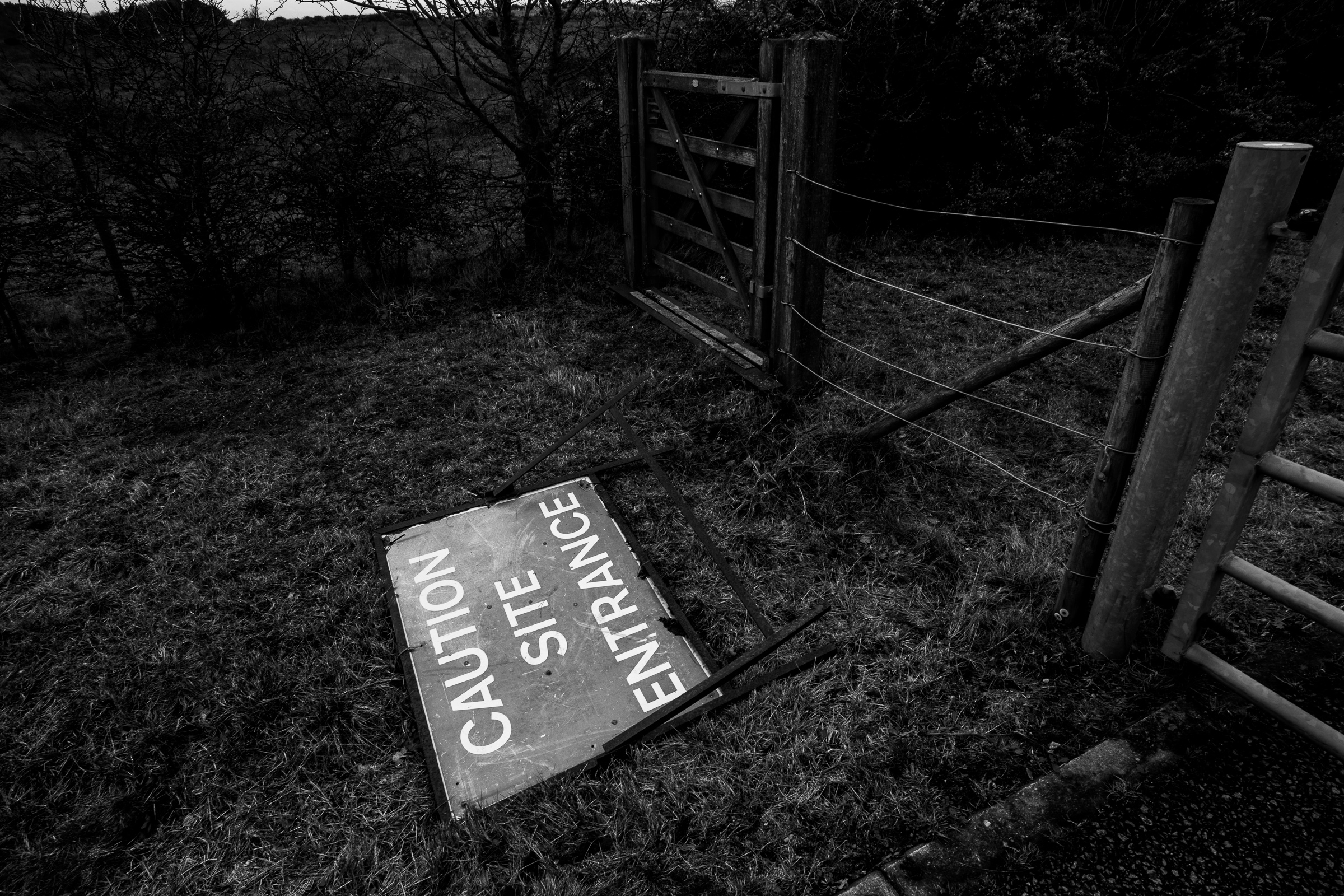
At peak the construction work will employ nearly 8,000 people with nearly 400 lorries and 400 buses carrying workers travelling into the area per day. The quiet local villages and towns will be inundated, the local roads have already been turned into HGV highways. Countless footpaths will be disrupted. We only holiday here, but for those that live here quality of life will undoubtedly suffer.
When I was thinking about this post I wanted to share some pictures comparing the sleepy village ideal of Middleton with the destruction caused by Sizewell construction. It’s obviously quite difficult to get close to the main site itself so I’ve shared some pictures from some of the surrounding roads and also of the current Sizewell A and B to give a sense of the scale of the developments. Once or twice I found myself at the side of the road as a lorry thundered past. I don’t have a drone but I’m pretty sure the impact would look biblical if viewed from the air.
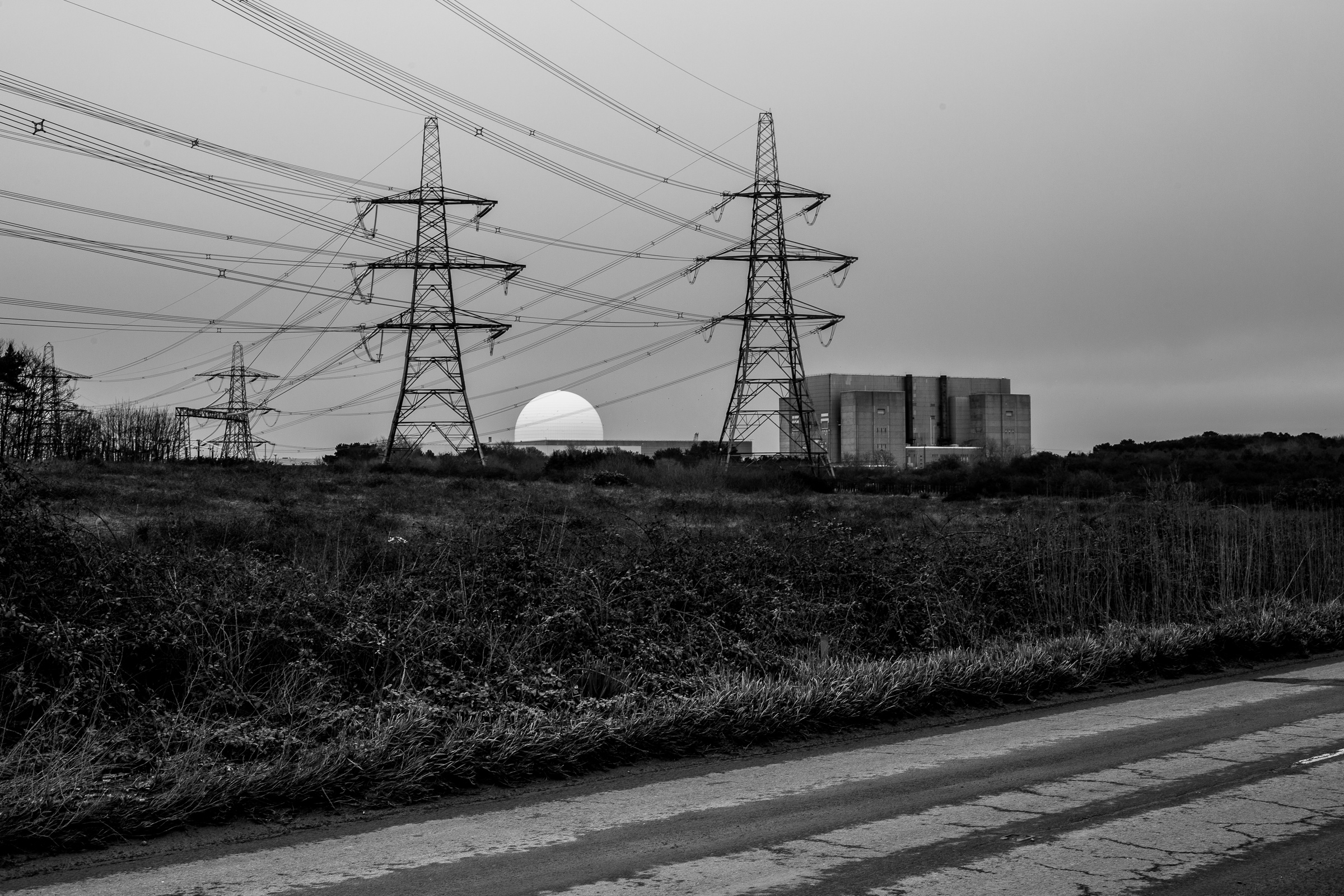
How would I feel if this was my home? Would I accept that the reactor had to be built somewhere? How much disruption would I be prepared to tolerate for the benefit of the public good?
Looking at the pictures I’ve shared, how would you feel if this was your village, your community? At heart I suspect we would all be NIMBYs. And of course, with Sizewell C, the internal debate is complicated by the competing views on the need or otherwise for new nuclear.
The debate about nuclear will continue for years. But standing at the side of the road as another lorry passed, I wasn’t thinking about energy policy. I was thinking about the people who live here — who don’t get to drive back to somewhere else when the weekend is over.