The Power of Print
I’ve been thinking about legacy lately. How do I want to spend the next thirty years that I hopefully still have, what impact do I want to have on the world and those around me, and what do I want to leave behind when I’m gone? Those are big questions and not ones easily resolved in a few weeks. And isn’t the point that you keep asking yourself those questions and evolve your answers as your life progresses and your circumstances change?
But thinking about them has led to a quieter, more practical realisation that’s been nagging at me for a few months now - the power of print.
I take an average of 60 or so photographs a week. If I multiply that out over three decades, that’s around 93,600 pictures. Now of course some of those will be absolute garbage. Some will be decent I would hope and there may even be a few absolute bangers in there. But whether garbage or bangers, they will all at some point end up in some kind of digital graveyard. Buried on a hard drive that my kids will inherit and probably not know what to do with. And then, with the slow passage of time those little bytes of data will degrade, or the hard drive will fail, and then one day they will be gone forever.
But if a photograph is printed there is a different narrative.
We instinctively know this. I can’t be unusual in that I have boxes of photos that I’ve still kept from my youth. 6 x 4 glossy prints taken on a cheap Boots camera of that lads holiday to Cyprus, family Christmas gatherings, or my 18th birthday meal with school friends. I’ve also got old envelopes stuffed with pictures taken by my aunt, my parents, my grandparents. I don’t look at these pictures often - but I know they are there, physically present in this world. They are part of my story and who I am. Like me they are real, analogue and very much here.
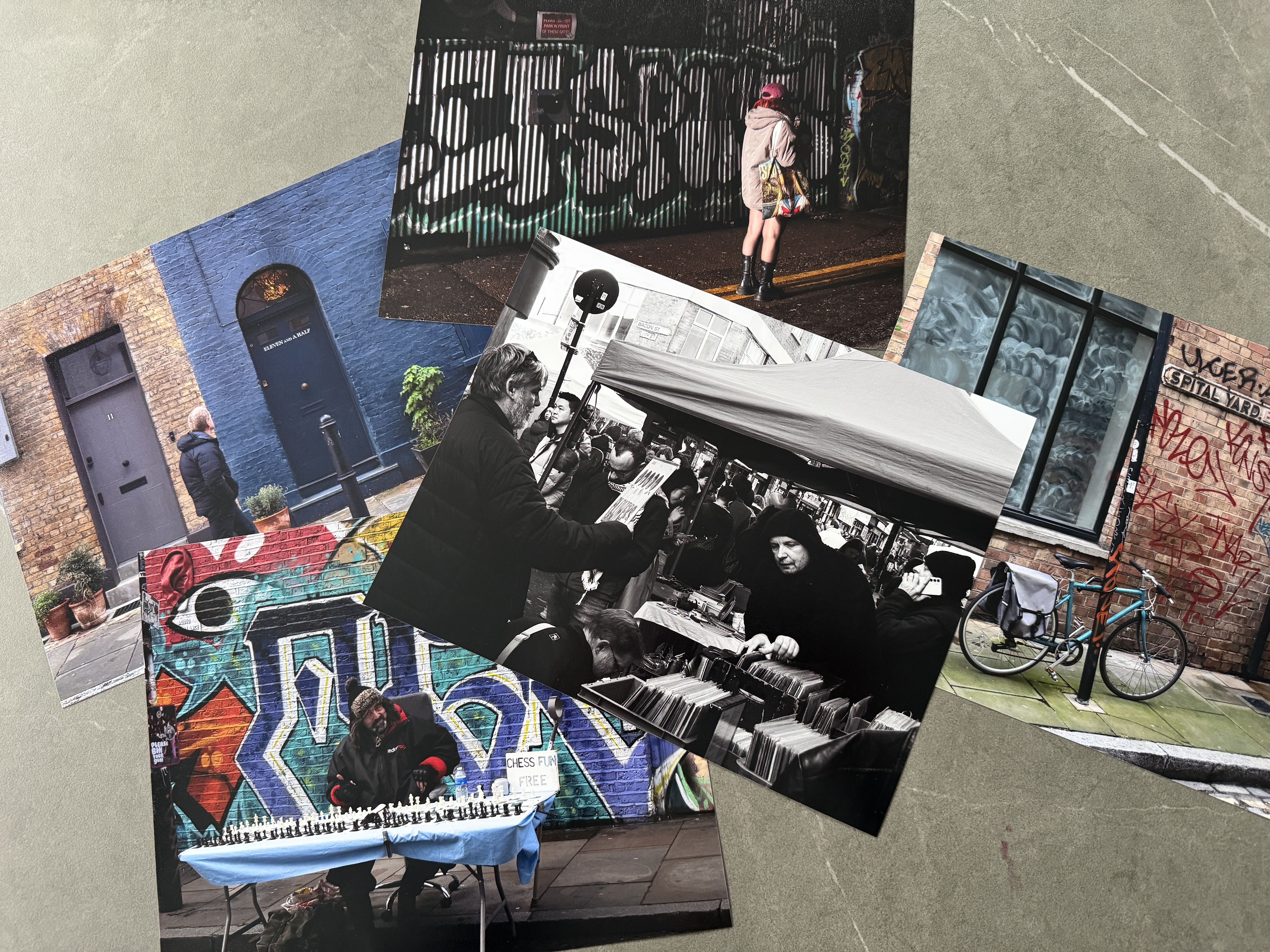
And there is something else about holding a printed photography in your hand, or seeing it hanging in a gallery on a wall. Holding and/or physically seeing photographs connects you to the subjects of the picture in a much more visceral way. You can sense the story behind a picture, you can better empathise with the moment captured.
We live most of our lives in the digital world. We’re conditioned to consume pictures online on our computer or iPhone screens. But how many times has a picture you’ve seen on a computer screen taken your breath away in the same way that seeing a truly transcendent photograph in a gallery can?
Somehow - perhaps through the shear overload of things we see online - the digital realm stifles our emotional response to a photograph. There’s a sense that what we’re looking at is not quite real, our eyes see but our hearts don’t really engage. So we swipe on.
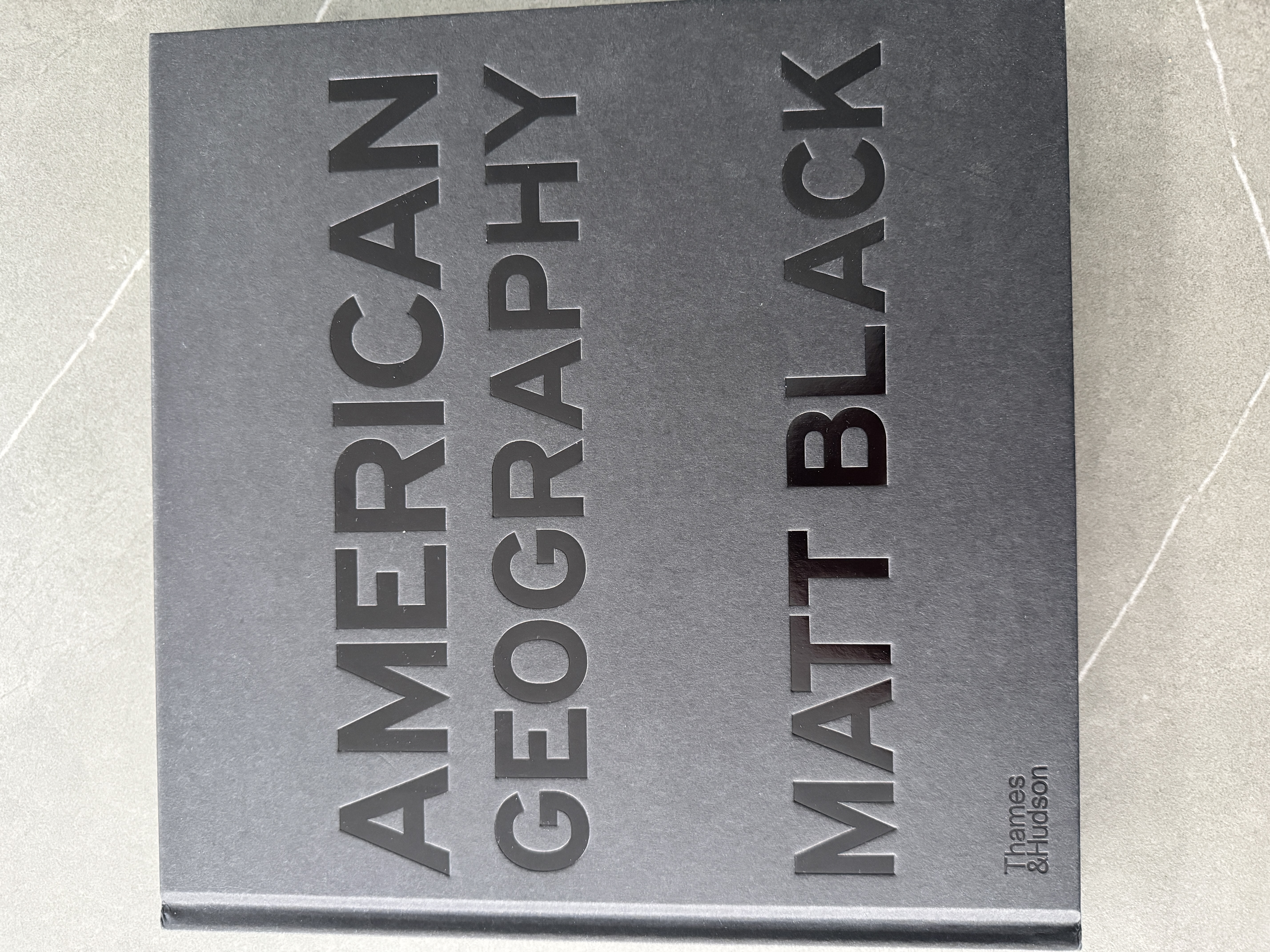
But the reaction to seeing a great picture in print is entirely different. We pause, we take an intake of breath, we linger, we ask questions, we hypothesis, we empathise, we connect. I experienced this recently opening the Magnum photographer Matt Black’s seminal book - American Geography. I’d seen many of the images in the book before but the moment I held the book in my hand it was an entirely different experience. Just the physicality of the book (beautifully printed incidentally) in my hands - it’s a relatively large book - makes you pause. Holding it in your hands you can see for the first time the creator’s actual intention for how he wanted us to see the photographs he had made, the words he wanted us to read alongside them, and most importantly the story he is trying to convey to us.
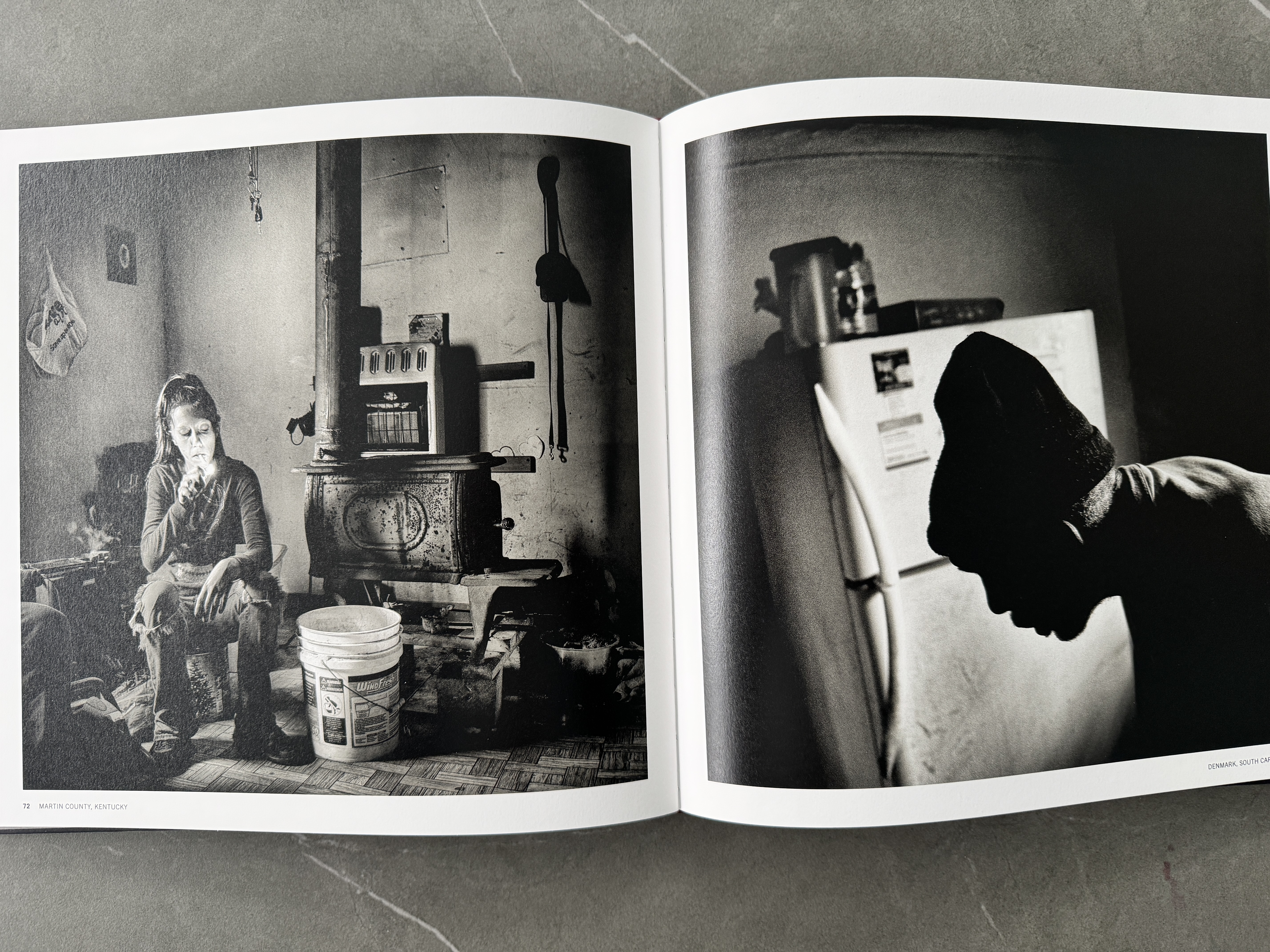
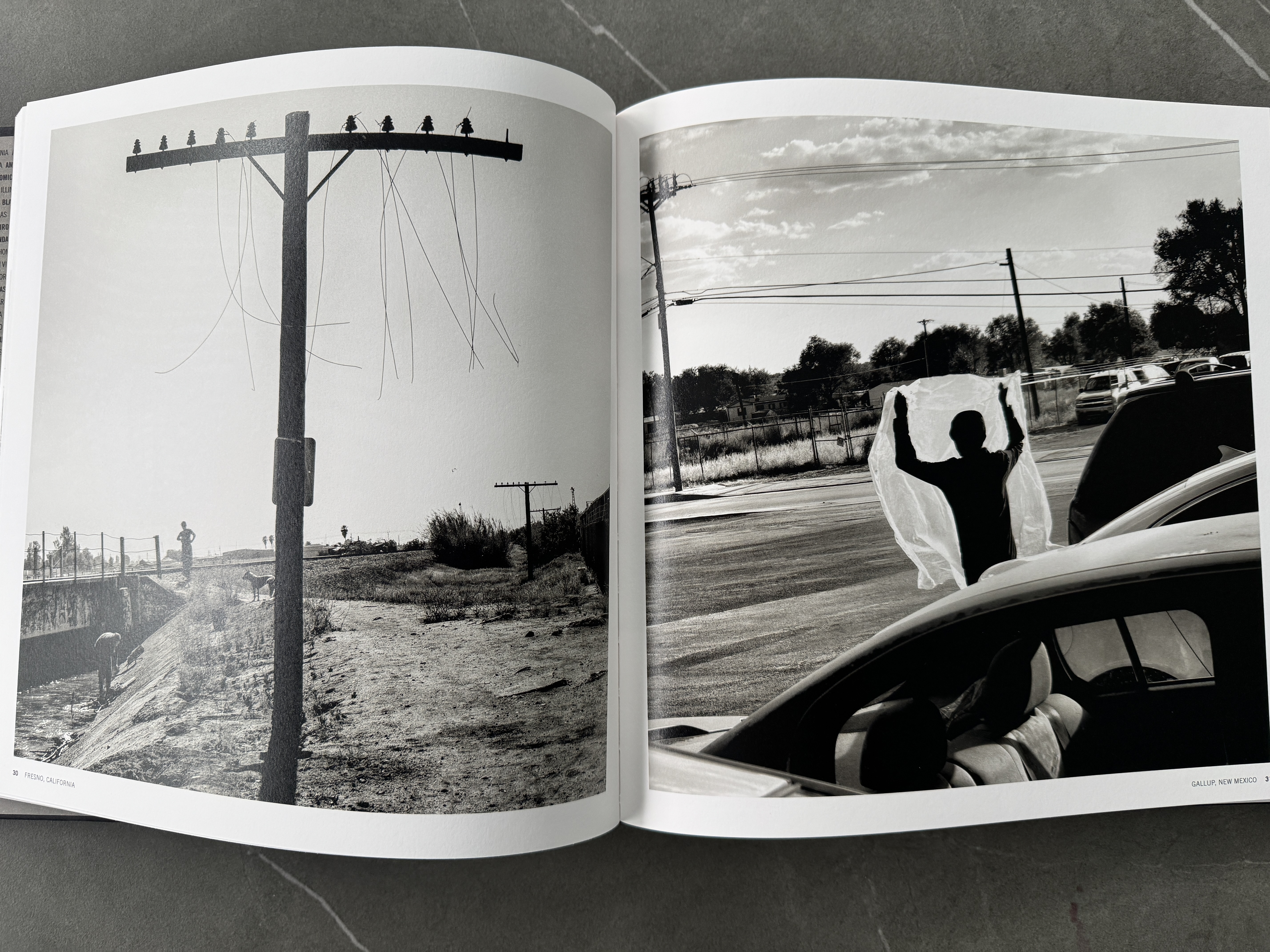
Now clearly I’m not a Magnum photographer but the photographs I make say something about how I see the world, what interests me, what moments connected with me.
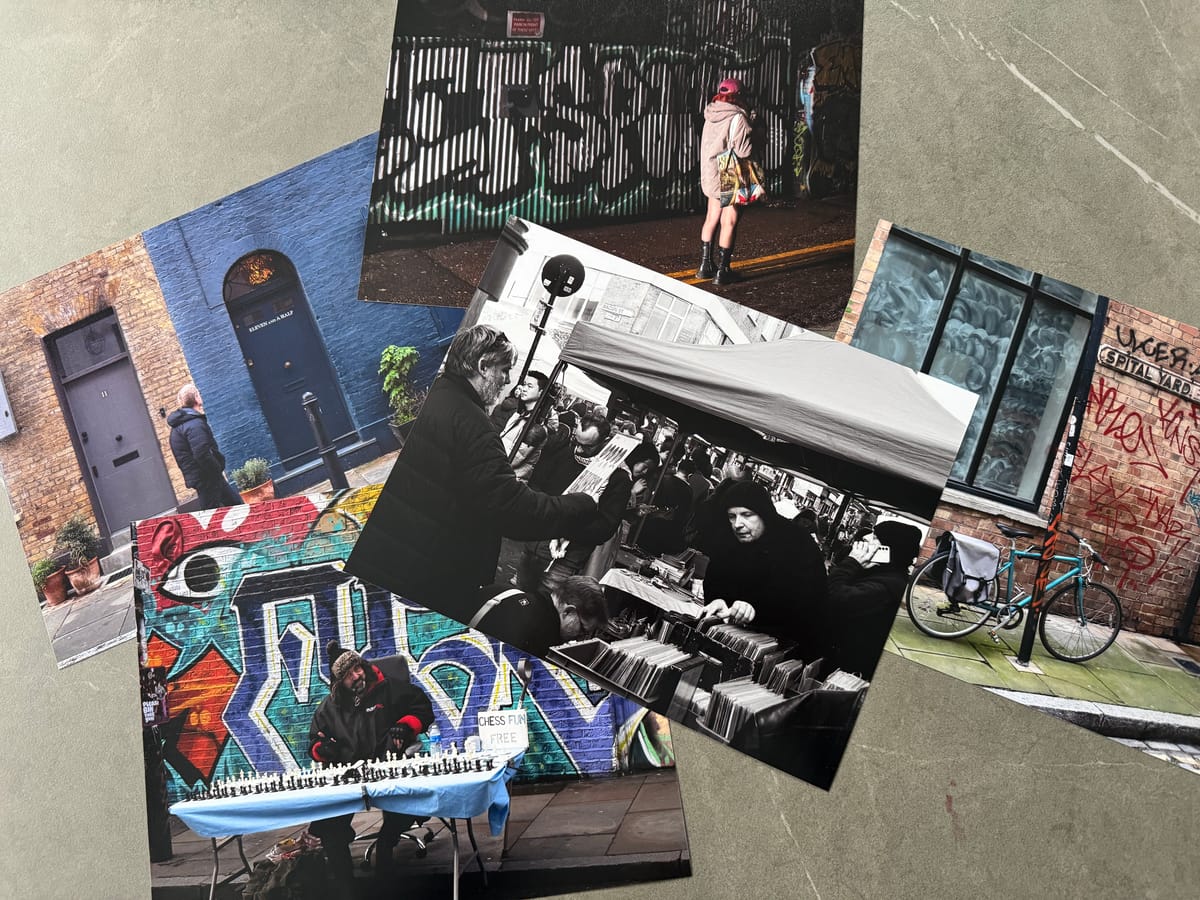
Printing some photographs recently—and framing a few—has completely reorientated my relationship to them. The framed picture of the single lady in black under an umbrella, framed by the colonnade in Greenwich says something to me about our solitary progress through time, taken in the home of time itself. The picture of Skegness Pier reminds me of the weekend I spent nearby with my best mates.
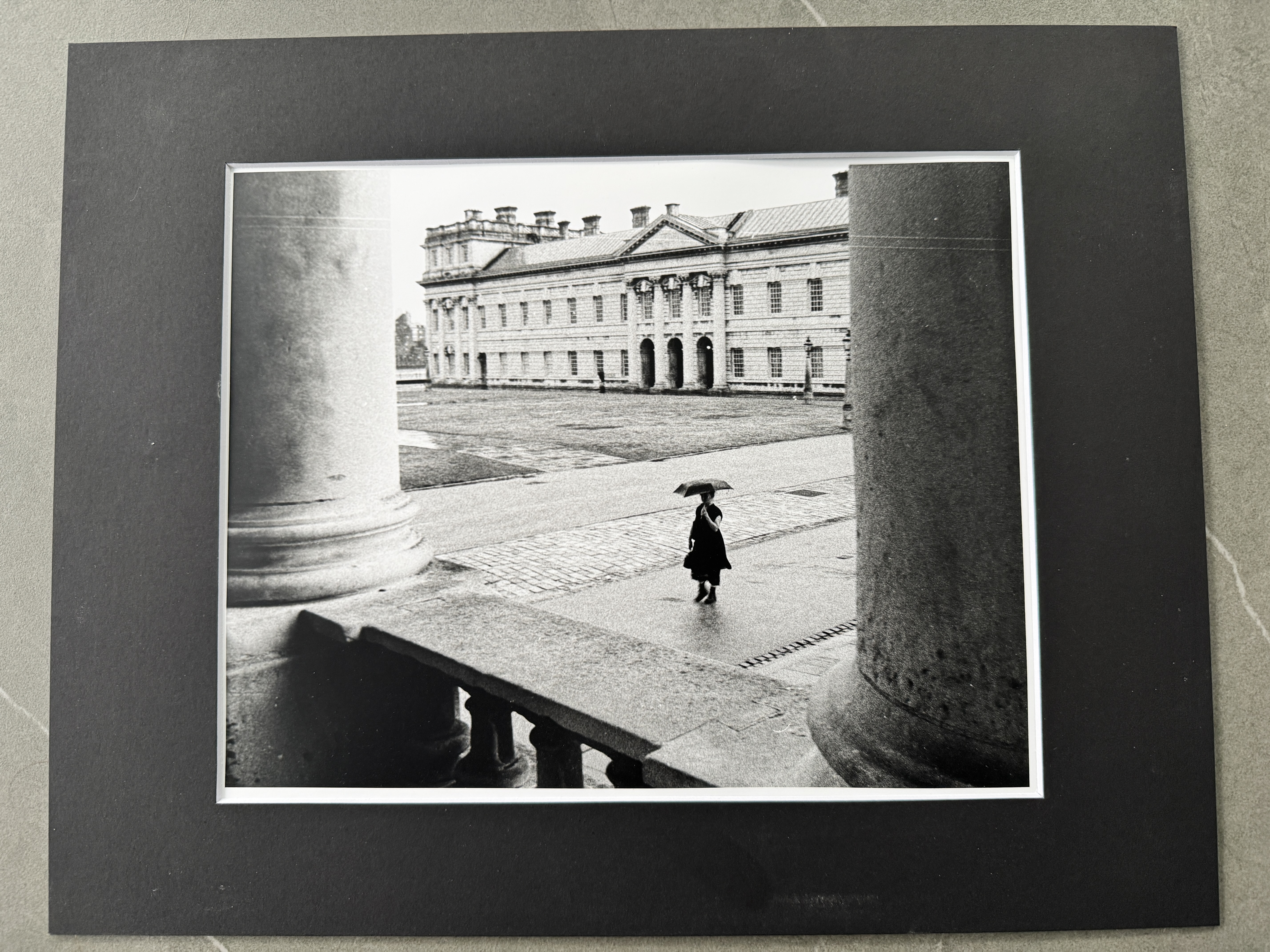
I’ve realised these pictures are a part of who I am and I want them to have a life beyond a few bytes on a hard drive and momentary pixels on a screen. So I have committed to printing more as standalone works, and I will collate them in books and zines when there is a story I want to tell or a theme I want to explore. These might not be for anyone else other than myself. But that’s OK because the end goal here is not to sell thousands of books - although of course that would be nice!
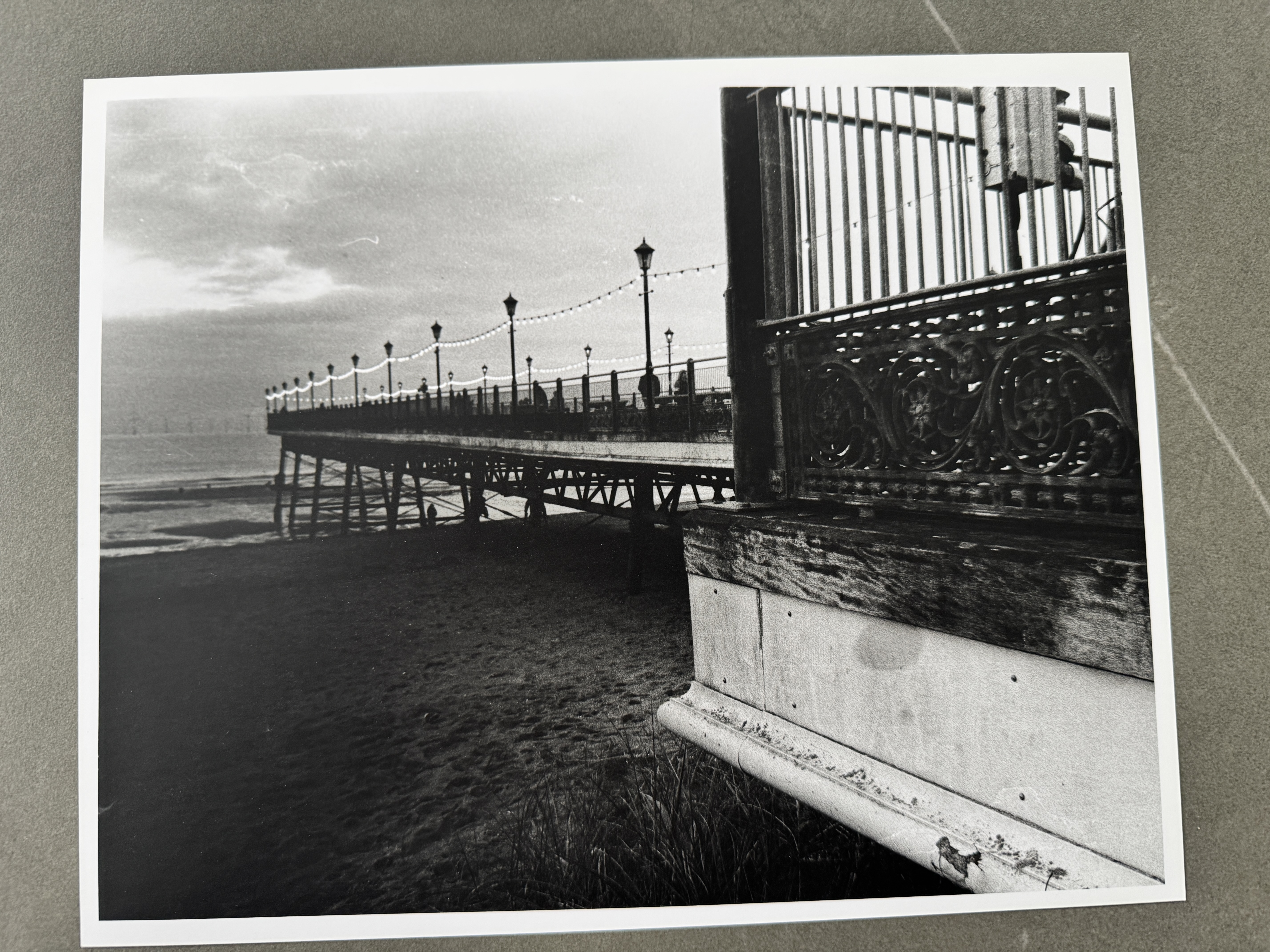
Rather the goal is for my photographs to have a life beyond the hard drive. I want the ones I choose to print or to bind into books to survive. I want to be able look back at them in months and years to come and understand a bit about what was going on for me in my life when they were made. They are part of my story and in time will be part of my legacy, passed down to my children to enjoy, reminisce over, and remember a bit about who I was and what was important to me.